
Land manager’s dairy
Volunteer awards and dodgy wall heights
This week we’ve been honouring the volunteers and working with wonky wall heights.
Volunteer awards and dodgy wall heights
It is the absolute bestest time of year now, the new growth, new colours and new life are just everywhere and change each time you look. So much vibrancy of colour and sound it is a senses overload which is just magnificent. I feel it needs to slow down so I can really savour it properly, all the hope of new life and a long summer ahead!
Volunteer Awards 2026
Equally fantastic was our volunteer thank you awards event last Thursday at Staveley. This is our chance to say thank you to our wonderful and very dedicated team of volunteers who cover not only our workparties and property watchers, but support at events and shows, packing things in the office, helping us with things like databases and mapping, our Trustees and so on. So it is nice to say thanks officially and spoil them a bit.
We also like to give a few awards as a recognition of just how much people do for us. It is now three years since we lost our awesome volunteer Jean Savage but we our Outstanding Volunteer of the Year award is in her name. Jean was a very practical, efficient and understated kind of person. She simply got on with things and quietly offered to do so much for us.
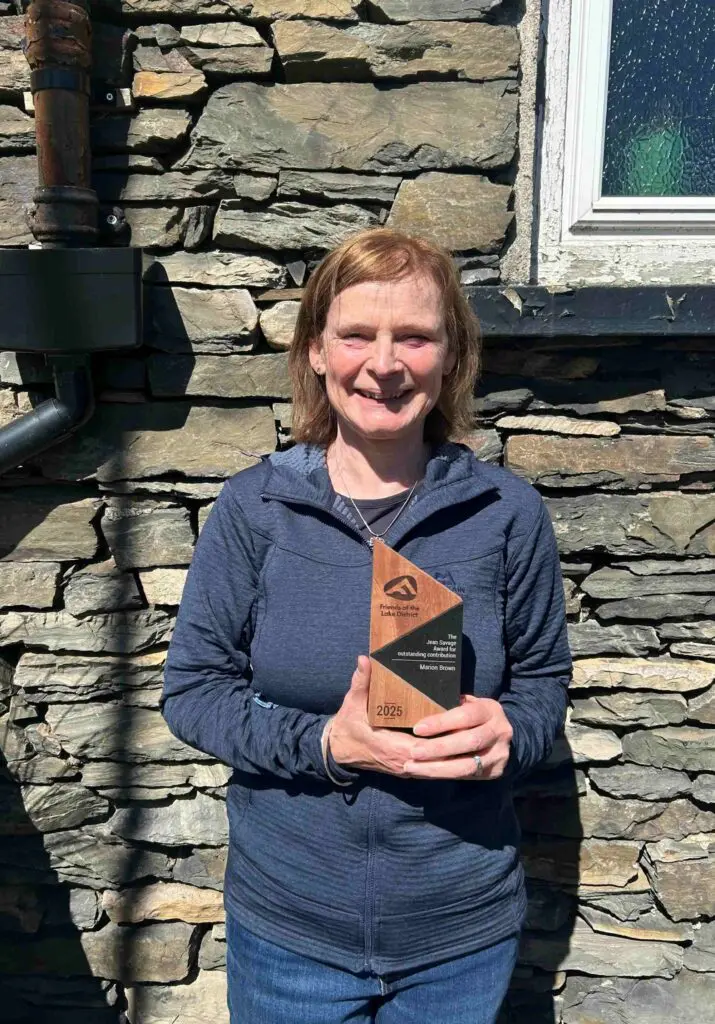
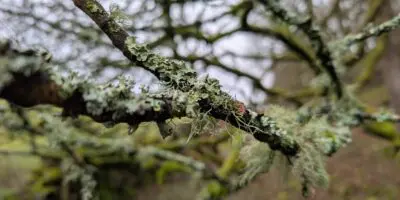
The winner of our Outstanding Volunteer of the Year award this year is Marion Brown who helps us out so very much with the Rusland Rainforest work. She shares the same characteristics as Jean, very knowledgeable, very able and very willing and we would never have been able to do as much rainforest work as we have or plan to do without Marion. It was fitting that Marion and Plantlife’s Rainforest Officer Georgie Stephens gave us a talk on the rainforests and we had a chance to look at bits of rainforest in reality with some twigs covered in lichens!
We also have an award for new volunteer of the year. As with last year this was impossible to choose just one person, so yet again we went for three people who have joined us over the last 18 months.
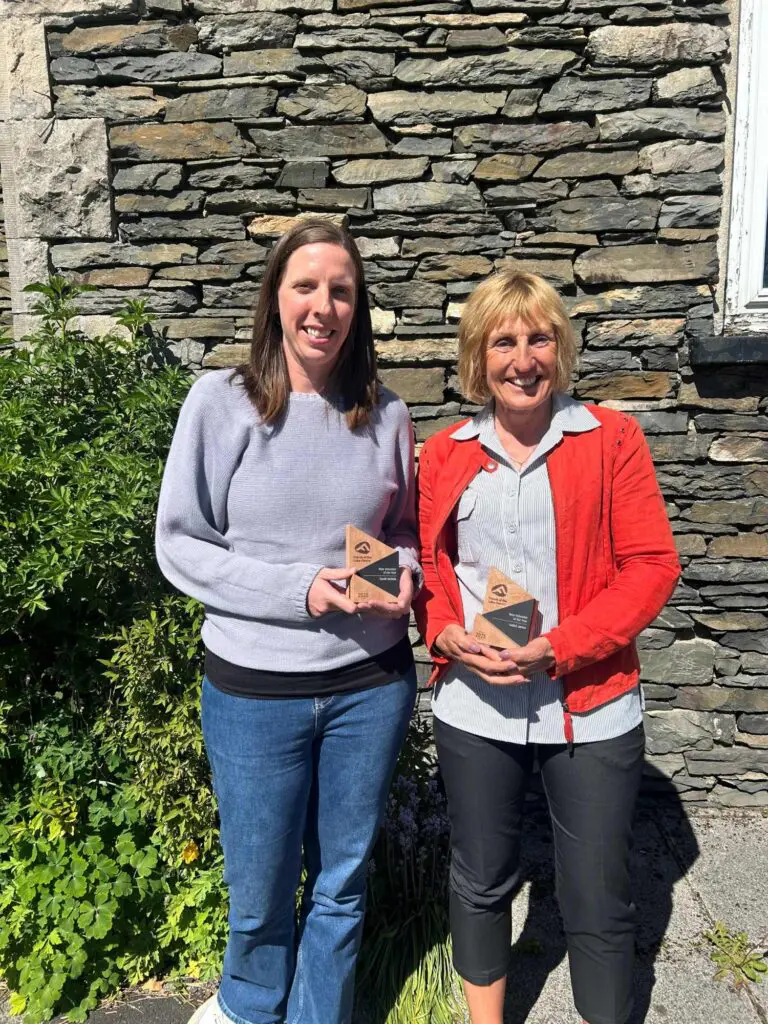
Sarah Nichols helps out on lots of our land and no task is too much -from sheep chasing to dry stone walling (at which she is becoming a perfectionist and very skilled).
Issy James is never happier than when outdoors, never sits still and likes extreme and usually very muddy jobs, especially involving the strimmer or tidying up.
Marie Shadbolt brings a smile and a bit of style. When the rest of us look like muddy scruffs after a day in the wet and mud she still manages to look flawless but it is not through a lack of work – she tucks into many tasks but just manages to stay clean! How does she do that…? All our volunteers are stars and we genuinely could not do our work without this help, thank you all.
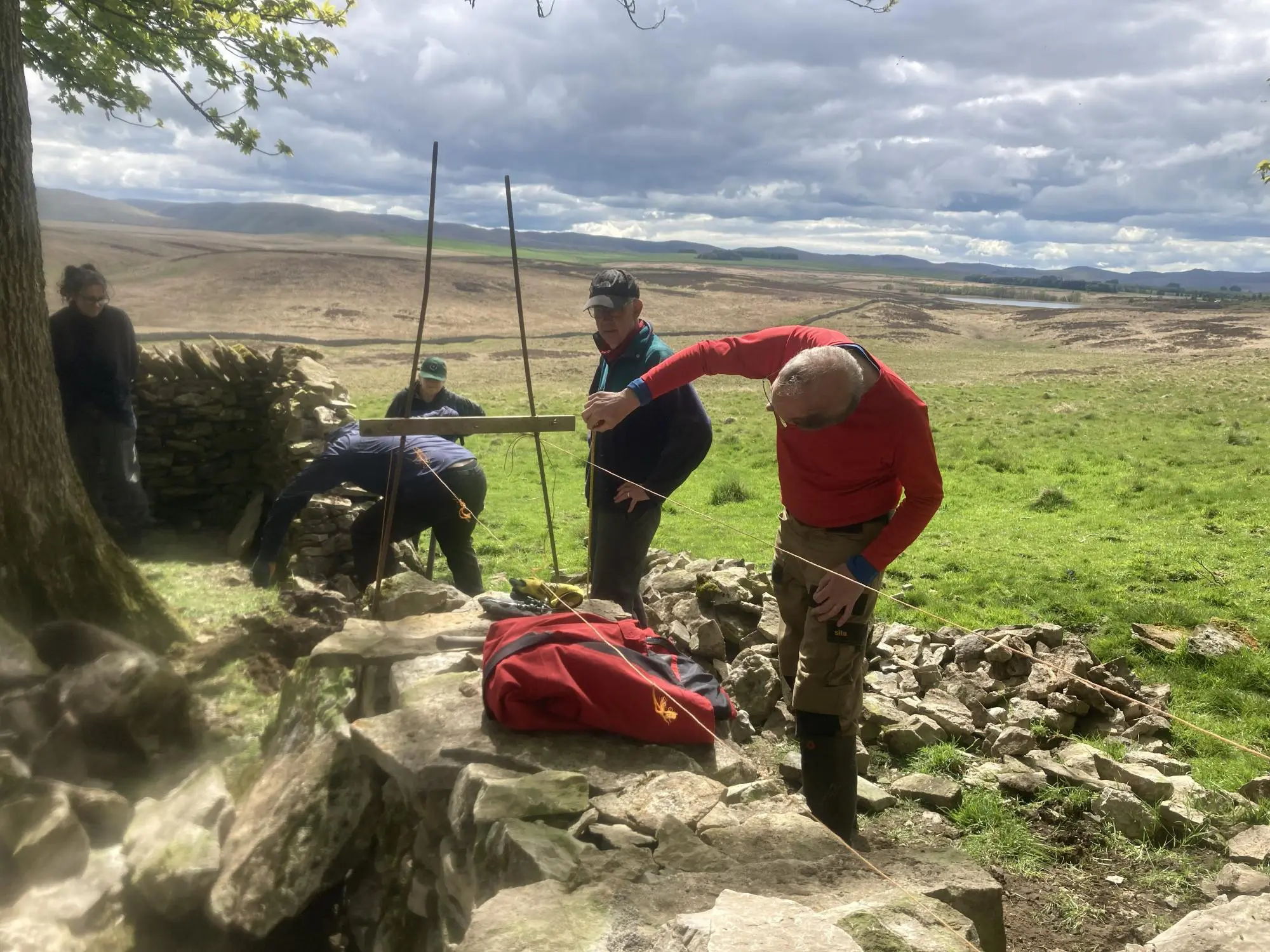
Back to Mazonwath for walling
On Tuesday we were back to dry stone walling at Mazonwath and it was also a chance to have a quick sneak at the hay meadow restoration to see how it is doing. The hay rattle is abundant and really starting to grow.
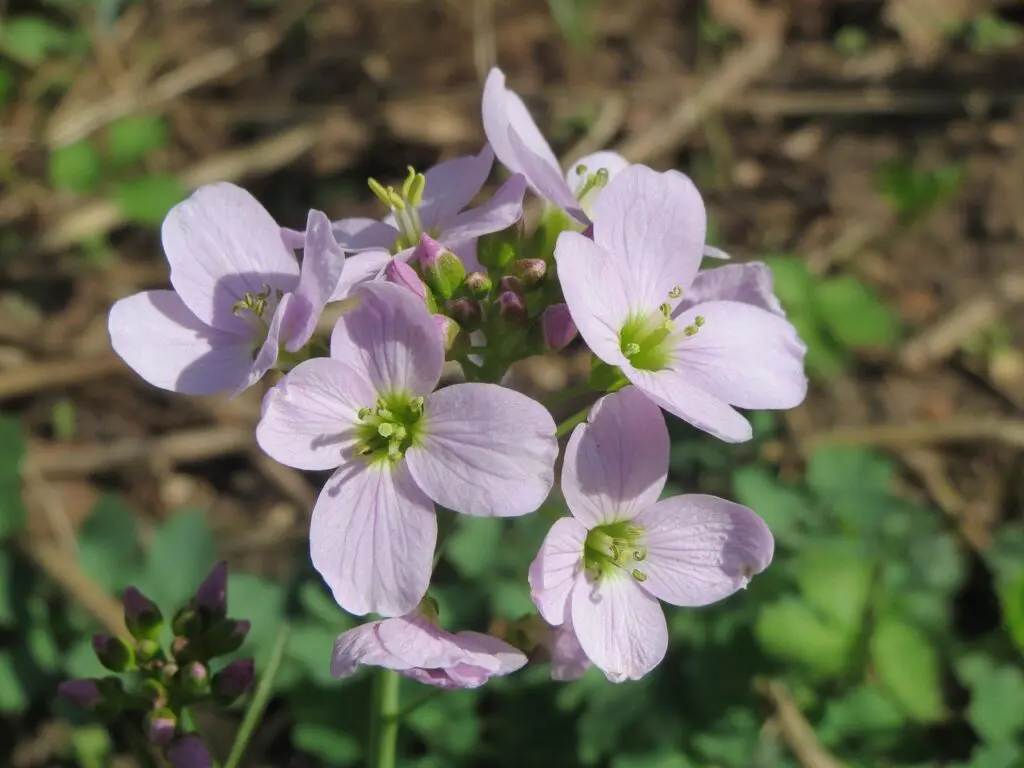
It seems to be a good year for May flowers, otherwise known at Lady’s smock or Cuckoo flower as it comes out about the time cuckoos appear again. Other names include milkmaid and fairy flower and if you want a cress substitute on your salad, then you can eat the young leaves and get a similar taste.
No sign of the plug plants we put in as part of the Cumbria Seed Bank project at the back end of last year but it is still early days. What was massively noticeable was the difference in grass levels between the areas sown for meadow and the field margins or inaccessible bits – all down to the hay rattle suppressing the grass.
We had a good gang of wallers and one new recruit so cracked on with our wall rebuild. The end of this section where we are walling around a wood, (so lots of bits and lots of corners) is nearly in sight.
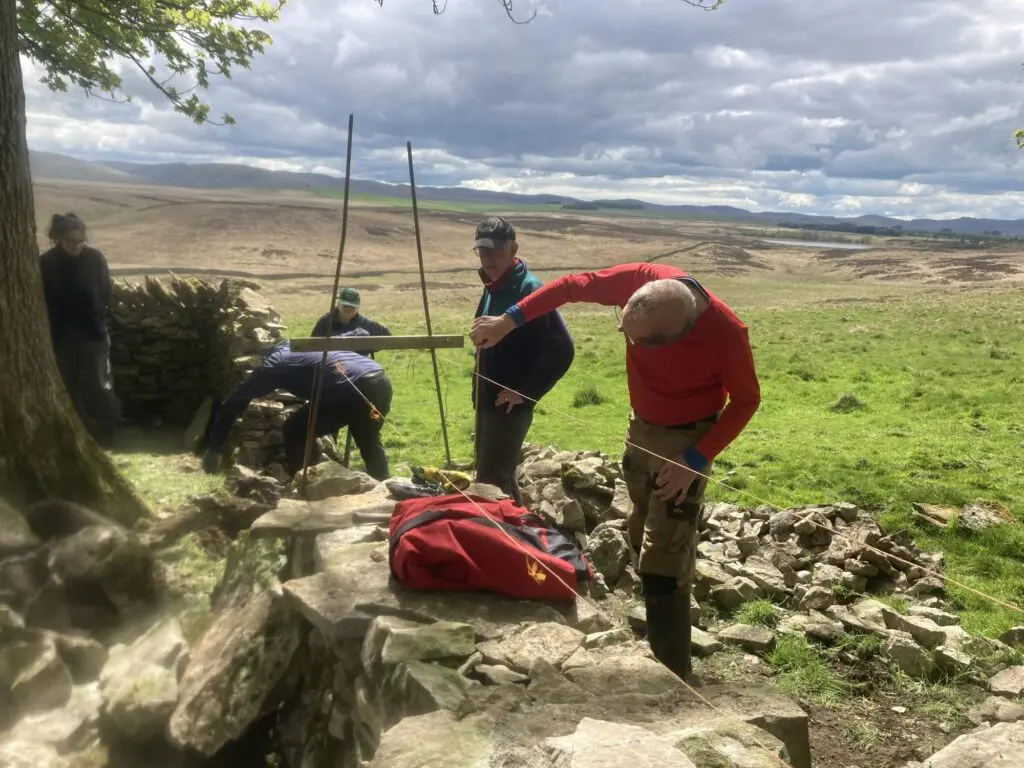
We are struggling with different wall heights – we have deliberately rebuilt the wall higher for two reasons – it was low anyway to begin with and also the cows tend to shelter here in the wet and either rub the wall or peer over it, so we have a lot of wall collapses which hopefully making it a bit higher will resolve.
But, we are heading towards a section that was rebuilt by a contractor and so we don’t want to have to rebuild it, but it is significantly lower. So where and how to lower the wall was the ongoing issue – gradually take it down in height from one end to the other, stay at the higher height and take the cams (top stones) off the lower bit and add a couple more courses of stone, or have a corner of two different heights.
For now we have decided to go with a gradual height reduction and if when we have done it it looks stupid, we will think again! Also on the go, Charles and Richard had the chainsaw out. Charles kindly dealt with a split but hanging branch on one of the ash trees for us, so the task for the day was to chop it up so we can remove it from site. The curlews song was obliterated by the sound of a chainsaw for a while, but it sounded even sweeter once they had finished!
Thursday is a staff day out to our Rusland woods to see and learn more about our rainforest work, especially after such an amazing and successful rainforest appeal in the last few weeks. We are taking the staff on a walk around our woods and doing a mini rapid rainforest woodland assessment which I am sure they will all love!
Take part in a Mammals survey for PTES
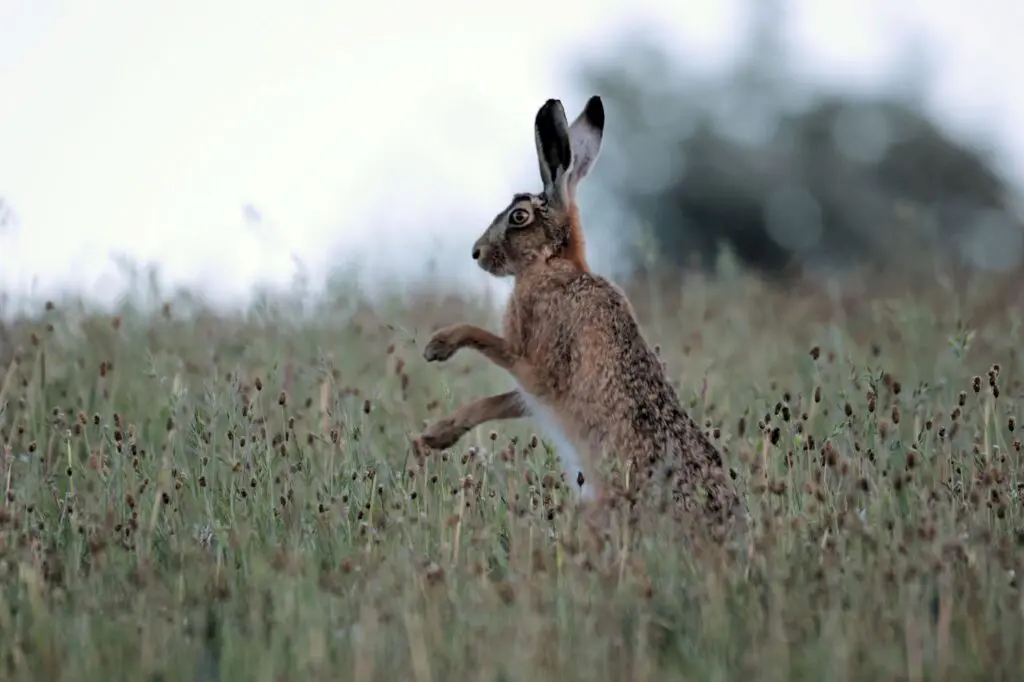
If you fancy logging mammals you see when out and about or in your garden, the People’s Trust for Endangered Species is looking for help surveying wildlife within 200m of a building. Take part in the the Living with Mammals survey here.
A new way to monitor bats and birds
Meanwhile the Wildlife Trusts who have recently bought the 3,800 hectare Rothbury estate in Northumberland to restore for wildlife are working with the University of Oxford and local community to install a network of 20 acoustic sensors, known as AudioMoths, to monitor birds and bats as well as other species including small mammals and insects. Using machine‑learning algorithms, the recordings will be analysed to identify species presence and activity across different habitats.
Most wildlife surveys of this kind are done in spring and summer, but this project will monitor wildlife all year round, providing a rare insight into seasonal change and the impacts of climate change over time. On our land we always do baseline ecological surveys when we get a new piece of land, do volunteer surveys of things like lichens, birds, bryophytes, flowers etc but we have never done anything like this. Quite fancy an AudioMoth for our land…
Next up on the workparty schedule is the Helm on 2 June. Join us if you can
https://www.friendsofthelakedistrict.org.uk/event/helm-workparty-020626/
Share this post
Related posts
Updates from our campaigns, our land, and the people taking action for the Lakes.
Drought in Cumbria
Policy Officer Amanda McCleery looks at what should be done to mitigate the risk of drought in Cumbria.
Scotmid Co-op volunteers lend a hand at new site
The Scotmid Co-op team helped rebuild boundary wall on new Friends of the Lake District land
Nature Recovery Fund helps restore Lake District rainforest
Friends of the Lake District has been awarded £14,900 from Westmorland and Furness Council’s Nature Recovery Fund to…