
Land Manager’s Diary
The Magic of Woodlands
Tackling invasive holly in Hows Wood in Eskdale, mighty oak trees, pine marten releases and catkins, and our rainforest appeal for Rusland woods.
The Magic of Woodlands
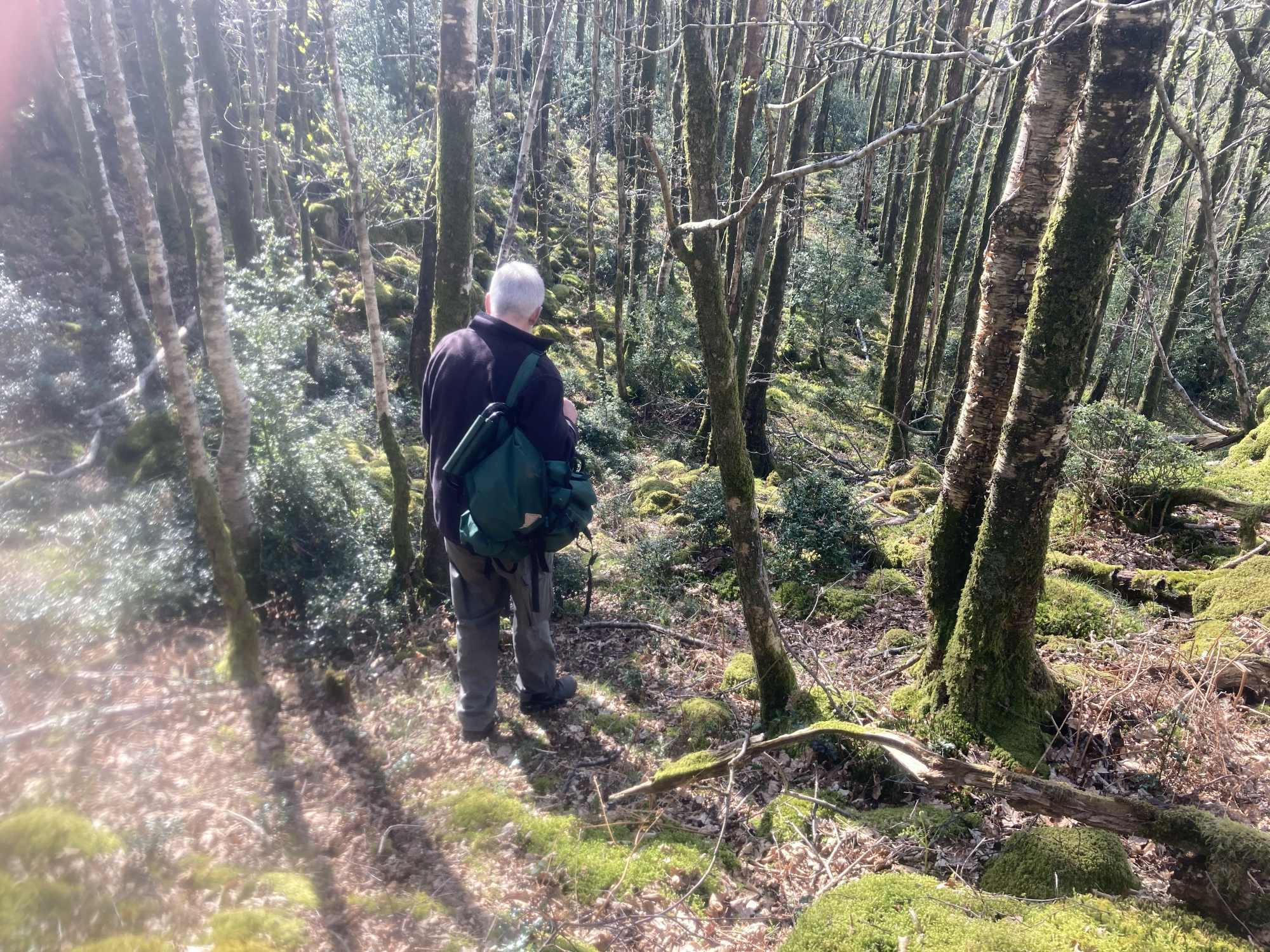
It’s woodland week for us this week: Didn’t we have a lovely day the day we went to…..Eskdale! We ventured over the high passes to classic Lakeland on Tuesday with our annual workparty at Hows Wood in Eskdale and wow was it a stunning day.
With the chirp of the birds, the toot of the trains of the L’al Ratty and the chat of the volunteers, the sunshine and myriad shades of green, it was a day for overload of the senses. Sometimes there are only a few of us on a workparty over there but this time we were a gang of 8.
Hows Wood
Hows Wood is a very special wood with a chequered history. It used to be used as part of the tanning industry and you can still see the evidence of this at the Bark Peeler’s hut, used by the people who peeled the bark that was then used for tanning. In 1967 it was bought by the Forestry Commission and all the native broadleave trees were felled to make way for conifers. The only ones that were spared were the oaks on rocky knolls which had previously been coppiced for the tanning industry.
Friends of the Lake District bought it in 1987 and have since restored it to a vibrant and diverse native woodland. Surveys show that it has indicator species for Atlantic rainforest and it is a brilliant example of nature restoring itself. Apart from a bit of felling in the early days of our ownership, helped by a huge storm, the wood is largely left to look after itself and do what it wants while we keep an eye on it to avoid any invasive species or detrimental things happening.
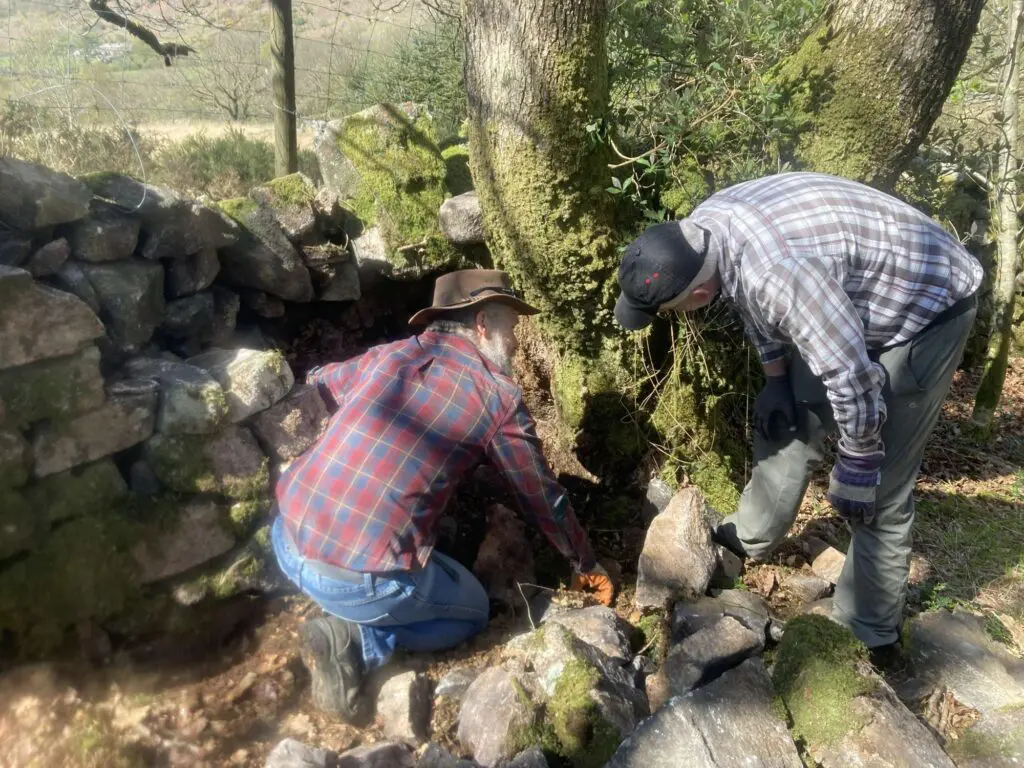
Our local volunteers, Peter, Chris and Bruce had checked out a jobs list for us. Top priority was to strengthen some of the small bridges we have crossing wet points – they are made using tree trunks but make an effective and non intrusive way of crossing. Meanwhile there was a challenging wall gap fix – plenty of large stone, just no fill or hearting (smaller stone).
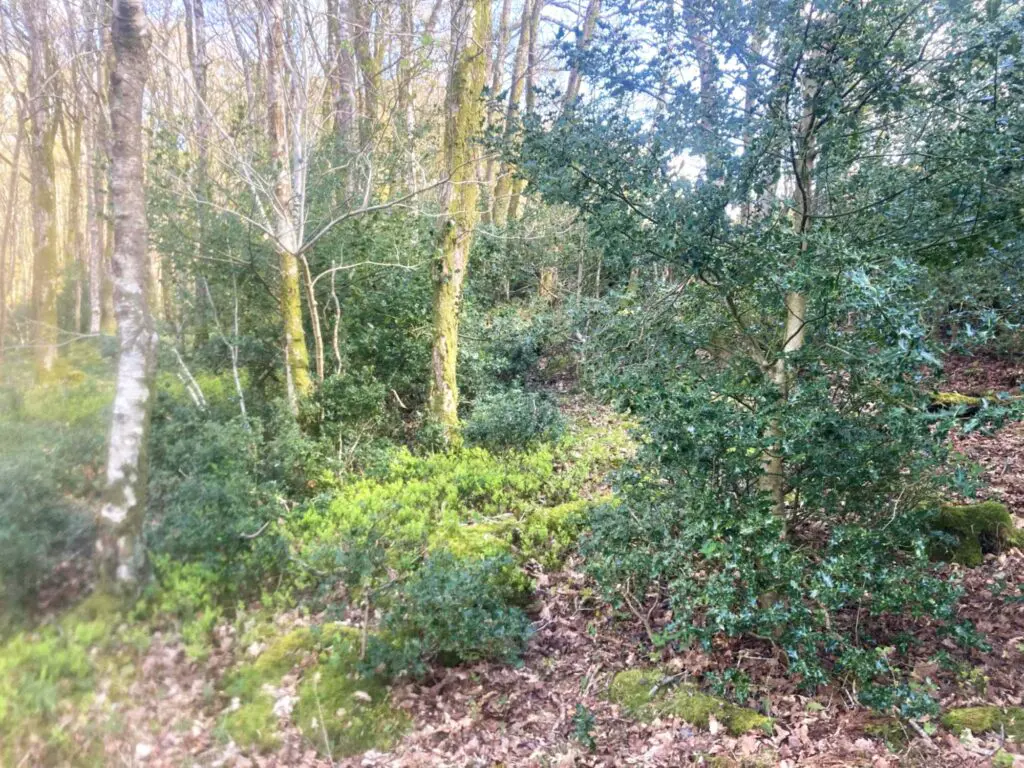
The holly seems to have gone crackers in the wood – it’s starting to feel like our Rusland woods (which we’ve been thinning out the holly in for months). With them in mind we need to stop the holly taking over and to reduce some of the other ground flora such as the honeysuckle. So, we set to to do a bit of thinning. The day flew by and we were all a bit reluctant to leave…
Mighty Oaks
Oak trees are a much loved and common tree in the UK. A recent report by Action Oak found that the UK’s oak trees support more than 2,300 species and they contribute environmental, social and economic benefits estimated at £0.7 billion each year. The species that oaks support include 229 bryophytes, 108 fungi, 1,178 invertebrates, 716 lichens, 38 birds and 31 mammals. Of these, 326 are obligate (meaning they depend solely on oak trees for survival), with a further 229 being highly associated with oak, 11 demonstrating the importance of native oak in supporting UK biodiversity. How awesome is that? So next time you find an acorn and fancy planting it to become a tree give it a go. If you want to plant one at home and give it to us we will happily plant it on some of our land so we can all help keep some of these species going.
Help our rainforest
On Wednesday the chance to double funding for our rainforest work opened for donations. We are part of Big Give Earth Raise whereby each pound donated this week is doubled. We aim to raise £10,000 which Earth Raise will double to make £20,000.
We have big plans for using this money to restore our rare temperate rainforests in the Rusland Valley. We will soon have ownership of a whopping 74 acres of woodland and, if we intervene now, we can restore the woods to make them more diverse and resilient in future.
Once 20% of the land in the UK was temperate rainforest, now this is less than 1%. There has been a lot of negative press about the rate of loss of plants and animals which can feel very pessimistic and a bit overwhelming. This though is a real chance for positive action – we can do something to change this and we can do it now so that we can see the results. If you want to join with us to do this, you can donate via our Earth Raise appeal page here.
Pine Martens and Catkins
The Cumbria Pine Marten project has released an update that featured in the Duddon Landscape Recovery newsletter – The return of the missing marten | Biosphere Atmosphere Group. The article talks about how and why pine martens were released to Grizedale and Graythwaite and it is well worth a quick read.
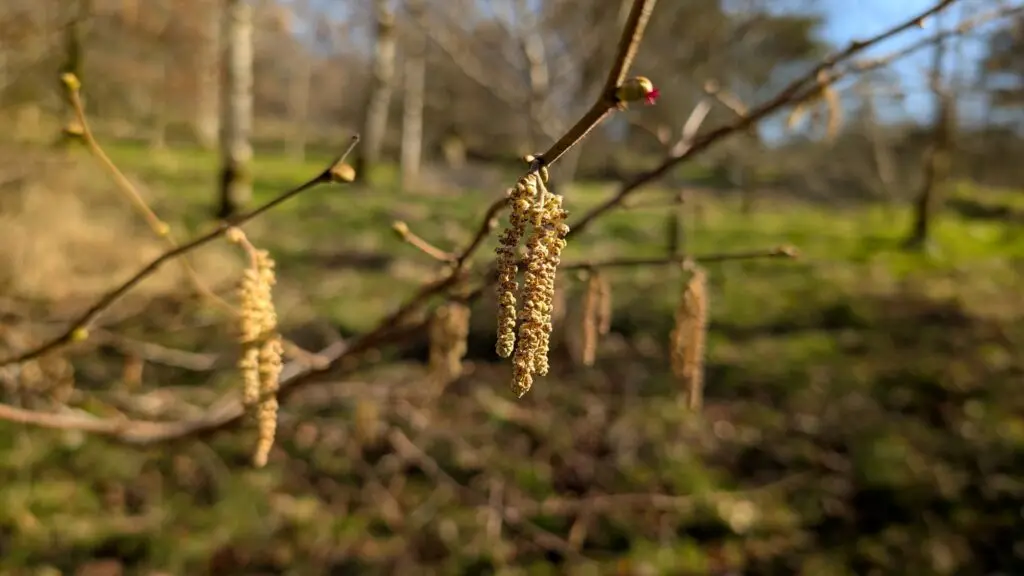
Similarly if you are interested in all the types of catkins, have a look at the Forestry Commission blog on catkins: The lifecycle of catkins – Forestry Commission
Join the next workparty
So if you feel inspired now to help out in one of our woods, we are at Mike’s Wood near Staveley on 27th April. Join us if you can via https://www.friendsofthelakedistrict.org.uk/event/mikes-wood-workparty-270426/
If you want to help but can’t do so physically, we would love to have a donation to the rainforest appeal. Thanks to everyone for all their support.
Share this post
Related posts
Updates from our campaigns, our land, and the people taking action for the Lakes.
Drought in Cumbria
Policy Officer Amanda McCleery looks at what should be done to mitigate the risk of drought in Cumbria.
Scotmid Co-op volunteers lend a hand at new site
The Scotmid Co-op team helped rebuild boundary wall on new Friends of the Lake District land
Nature Recovery Fund helps restore Lake District rainforest
Friends of the Lake District has been awarded £14,900 from Westmorland and Furness Council’s Nature Recovery Fund to…