
Blog
Planning and the landscape
Our planning officer, Leanne Parr, explains how we decide which planning applications to respond to and what forms the basis of our response.
Planning and the landscape
All landscapes matter, not just those that are protected. At Friends of the Lake District we want to ensure that landscapes are given full consideration in the planning process. High quality landscapes need to protected, and opportunities to improve and enhance the landscape are taken where possible. We do this by reviewing and responding to planning consultations, including Government legislation, national and local planning policy, and guidance and planning applications.
We are not a statutory consultee and therefore local planning authorities do not legally need to consult us about planning applications. In Cumbria, however, they all produce a weekly list of registered applications, and we review these to identify any we may wish to respond to. We also receive requests from Parish Councils, our members, and members of the public to review specific applications.
Choosing what to respond to
We’re a small landscape charity with limited resources, so we have to be selective in terms of the applications we respond to. We prioritise responding to those applications where there is greatest landscape impact and reasonable scope to influence the outcome. We balance these factors with our capacity, and other commitments and priorities. Unfortunately, this means we cannot respond to everything, even where we recognise and understand concerns.
When deciding whether to respond to an application we consider whether:
• The development is within a protected landscape.
• It has a biodiversity, geodiversity or heritage designation.
• It impacts on common land, open spaces or other landscape features.
• We have responded to similar proposals elsewhere in the past.
If we decide to respond, we use the following questions to guide our response:
• Does the proposal comply with policies in the Development Plan (including the Local Plan and other local planning documents)?
• Does the proposal comply with national policy and guidance (for example, the National Planning Policy Framework)?
• Are there any material considerations which need taking into account?
• What adverse impacts and benefits will result from the proposal?
• Can impacts be mitigated through changes to the proposal or the use of planning conditions or obligations?
Planning law states that decisions must accord with the Development Plan unless material considerations indicate otherwise. This is always our starting point when assessing an application.
A list of material considerations can be found here. Issues such as the impact on house prices, private views, landownership and moral considerations are not material planning considerations. For example, the health of an occupier can’t be taken into account when assessing an application for a new house.
When we object
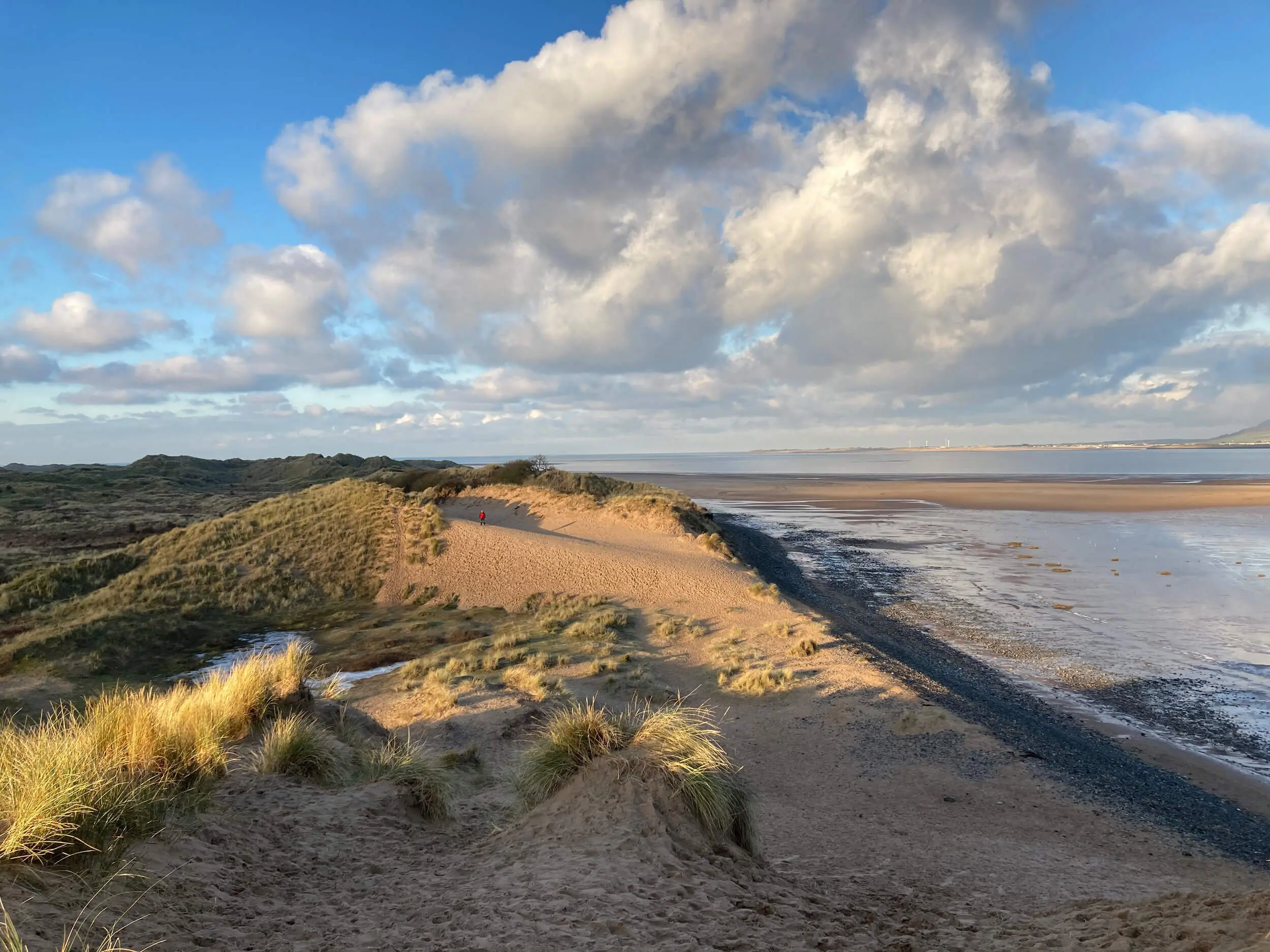
Very occasionally we decide to object to a planning application (such as our objection to the large scale development at Roanhead). Last year we objected to just 15 of the hundreds of planning applications made within Cumbria. When we do decide to object, we will suggest changes to the proposal or conditions which could make it acceptable where we can. We will also respond positively to support an application where it will result in landscape enhancement and when it is in line with planning policy. Our responses are always evidence based, for example, we will consider the relevant Landscape Character Assessment when determining whether a proposal will result in landscape harm.
Planning can be subjective and the local authority case officer may not always agree with our views. Equally, the views of the case officer may not always match those of the Planning Committee who may make the final decision. Where we feel a proposal is likely to have adverse effects on the landscapes that make Cumbria special, we will continue to say so. We will also help local communities to do the same should they need our support.
Planning Outreach
In anticipation of the forthcoming Spatial Development Strategy for Cumbria and new Local Plans we are offering our Planning Outreach service to local organisations, town and parish councils and community groups. This will help them better understand the planning process and put them in the best position to be able to respond to the public consultations on these documents. It is important that the community engages in this process as Local Plans are the starting point when determining planning applications and are only reviewed every five years. If you are interested in finding out more about this service, please contact us at planning@fld.org.uk.
Saving Roanhead
In this short film, Claire Gould from the group Save Roanhead explains how Friends of the Lake District’s support helped the community fight a planning application that would have had devastating consequences for an important piece of coastline.
What is landscape?
Landscape is…
• More than just a view.
• Everything we see, hear and experience and how we respond.
• The relationship between people and place.
• Comprised of natural features formed from biodiversity and natural form e.g. geology, soils, rivers.
• Comprised of man-made features formed from human activity and traditions.
• Experienced differently by different people based on many factors including age, familiarity, background, belief system and emotional state.
• Ever changing.
• Of cultural value as reflected in literature, art, poetry and film.
Main image: Roanhead beach. Claire Gould.
Share this post
Related posts
Updates from our campaigns, our land, and the people taking action for the Lakes.
Bugs, bats and bees
Building bug hotels, bat watching and seed collecting at Dam Mire Open Day. Government funding for Sustainable farming…

Woods and squirrels
It’s been another busy week on and off the land as work continues to help our woods in…
All about seats, plugs, walls and bats…
In a packed blog this week: the Dam Mire wood Eye Seat, bracken rolling at Rusland woods, signpost…