
Blog
No funding for commons
We recently wrote to ministers urging them to address the lack of agri-environment funding for commons.
No funding for commons
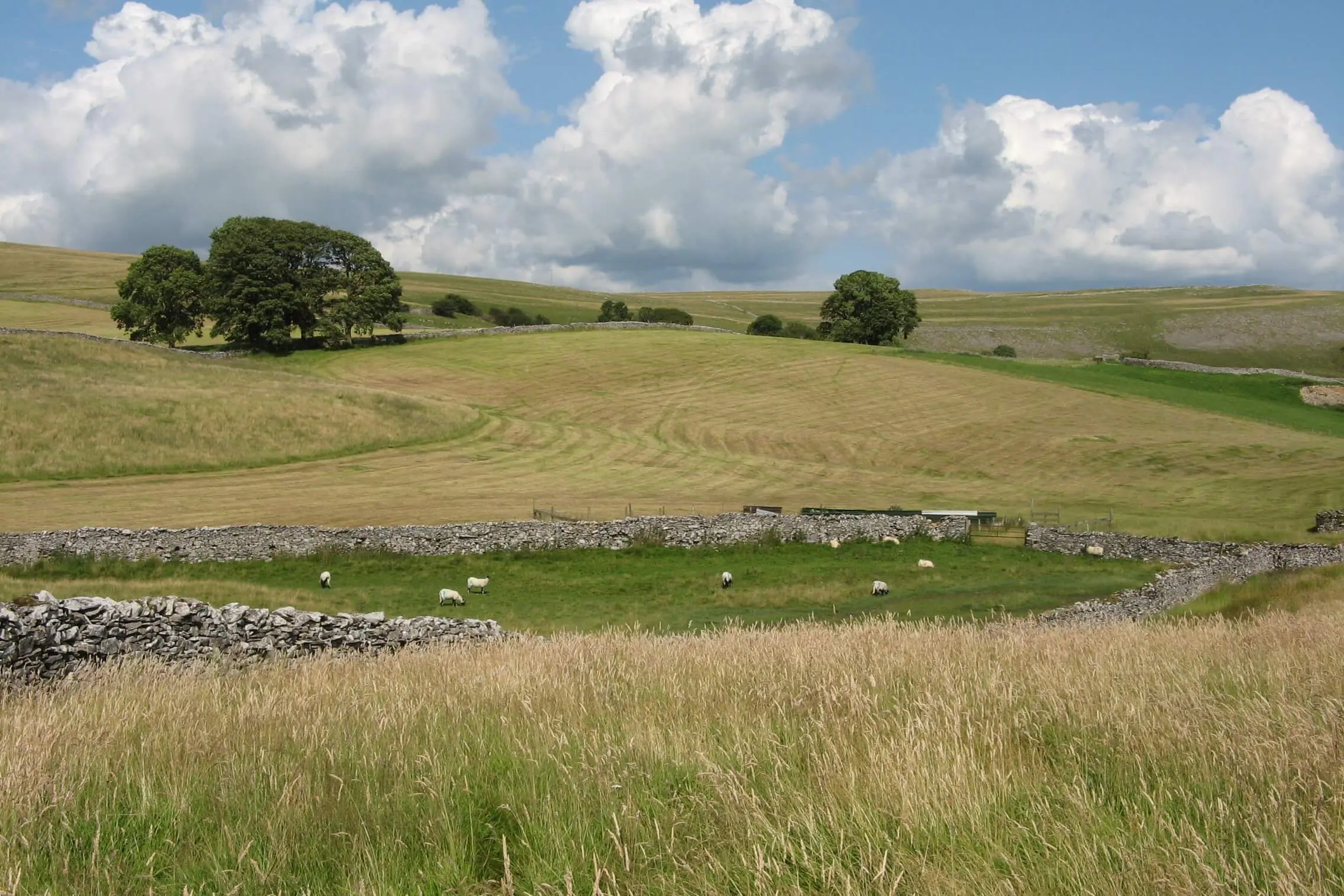
One rewarding part of my role at Friends of the Lake District, is championing the importance of commons here in Cumbria (read my other blog about our work championing the commons.) I have learnt so much that now on fell walks I am struck by how special, but vulnerable, these places really are. That’s why Friends has recently written to government ministers, urging them to address the lack of agri-environment funding for commons. Our letters pointed out the many public benefits of common land and the dire implications of no funding.
Commons make a significant and wide-ranging contribution to the UK. There are over 100,000 hectares of common land in Cumbria alone. The list of their benefits is long!
- Vital grazing for hill farms
- Wildlife and habitats – 21% of SSSIs are on common land
- “Slow the flow” & contribute to clean water
- Carbon store – of grassland, trees and peat bogs
- Special landscapes – many commons are within National Parks, and they are a key attribute of the English Lake District World Heritage Site
- Built Heritage – 11% of Scheduled Ancient Monuments are on common land
- Cultural Heritage -– with communal land management, hefted flocks, gathers & shepherds’ meets
- “Right to roam” for walkers.
One third of all English commons are here in Cumbria, and so agri-environment payments are essential to our hill farms. The lack of funding means the livelihoods of commoners are undermined (directly impacting local communities and services) and common land is not contributing to government environmental targets (such as habitat restoration).
Our letters outlined practical solutions to various issues. Key is that the Department for the Environment and Rural Affairs (DEFRA) continues with the existing paper-based system for common land, whilst it upgrades its computer-based system to include them. That way commons can still apply for agri-environment funding.
We’ve also suggested that DEFRA should:
- Remove its funding cap where it applies to commons – so that larger commons can also contribute to habitat restoration, heritage management and improved access.
- Reinstate the moorland assessment action – in the Sustainable Farming Incentive grant (when it reopens in June), so that commoners are funded to collect vital data on habitats and soil. They use this information to map opportunities for habitat creation for example.
- Pay owners & commoners in existing schemes the same rates – as newer schemes on non- common land.
So, I urge anyone to write to their local MP on this important upland issue. Meanwhile Friends of the Lake District, and other organisations interested in commons, will keep lobbying the government for funding for these special places that benefit us all.
Share this post
Related posts
Updates from our campaigns, our land, and the people taking action for the Lakes.
Drought in Cumbria
Policy Officer Amanda McCleery looks at what should be done to mitigate the risk of drought in Cumbria.
Scotmid Co-op volunteers lend a hand at new site
The Scotmid Co-op team helped rebuild boundary wall on new Friends of the Lake District land
Pop-up campsites
Planning officer, Leanne Parr, looks at the benefits and impacts of temporary campsites, and what can be done…