
News
Championing the commons
Policy officer Amanda McCleery explains how Friends of the Lake District helps keep the commons of Cumbria thriving.
Championing the Commons
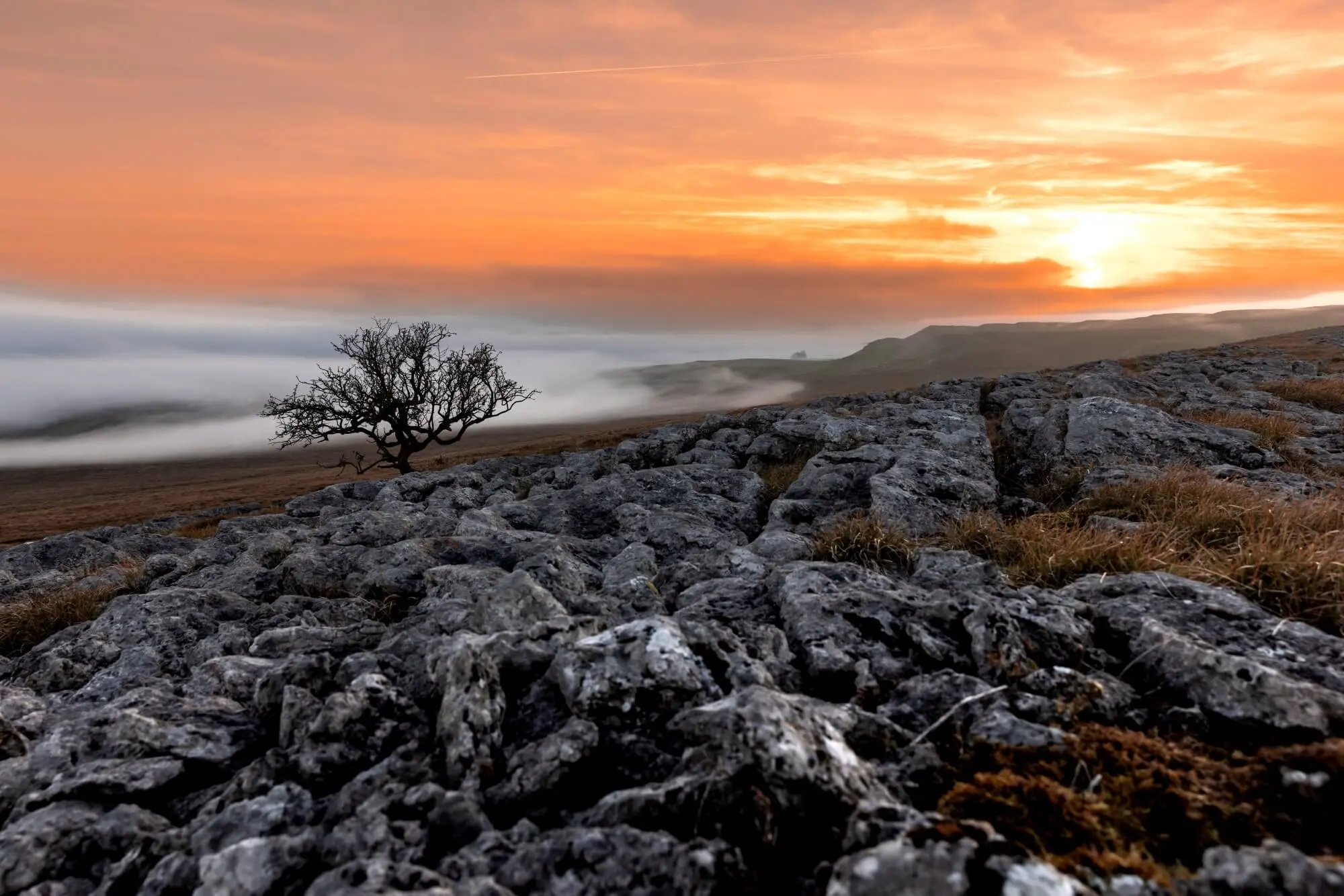
Commons are essentially unfenced, open spaces. They are a remnant of the medieval manorial system, whereby the lord of the manor owned all of the land, but local farmers were allowed to make use of the manor’s wasteland for activities such as grazing.
Nearly one third of all English commons are found in Cumbria. In fact, 16% of the county’s total land area is common land. Despite the name, commons are privately owned spaces. For example, Friends of the Lake District owns Little Asby Common in the Westmorland Dales.
Commoners are those people with ‘rights of common’ over the land, largely linked to a specific property and listed in Common Land Registers held by county councils. Grazing is the most well-known right of common, but there are several other recognised rights, such as estovers – the right to cut bracken or underwood for fuel, building repair, or animal bedding.
Many commons are located on the fells above hamlets and villages, and many upland hill farms in Cumbria rely on the right to pasture on common land, as they have insufficient land next to the farm (known as inbye land) for all their animals throughout the year.
Since the 2000 Countryside and Rights of Way Act, registered common land has also become open access land. This means everyone can enjoy recreation on foot across these spaces.
There are wide-ranging benefits of common land, as shown in Friends of the Lake District’s 2023 multiple capitals assessment of Little Asby Common. Commons provide vital grazing for livestock, and the farms in turn support local businesses and services. They provide a home for wildlife and important habitats, with 21% of England’s Sites of Special Scientific Interest located on common land.
Commons absorb rainfall, helping to “slow the flow” and contributing to clean water. Grassland, trees and peat bogs help to store carbon. Eighty-two percent of commons are in protected landscapes, and commons are a key reason for the World Heritage Status of the Lake District National Park. Eleven percent of Scheduled Ancient Monuments are on commons.
Hefted flocks, communal gathers and shepherds’ meets are all part of the shared land management of commoning. This cultural heritage is an important part of the social fabric of upland communities.
Making a Difference on Commons
Friends of the Lake District has championed these important upland landscapes throughout its long history. In addition to owning and managing Little Asby Common, the organisation lobbied national government during the drafting of the 2006 Commons Act and supported the return of hefted flocks to the Cumbrian commons after the 2001 foot-and-mouth outbreak.
Much of this work takes place behind the scenes. A good example is involvement at Mardale, above Haweswater. In 2023, Friends of the Lake District attended a site visit with the RSPB and the Local Access Forum to discuss proposals for fenced exclosures for tree planting and research plots.
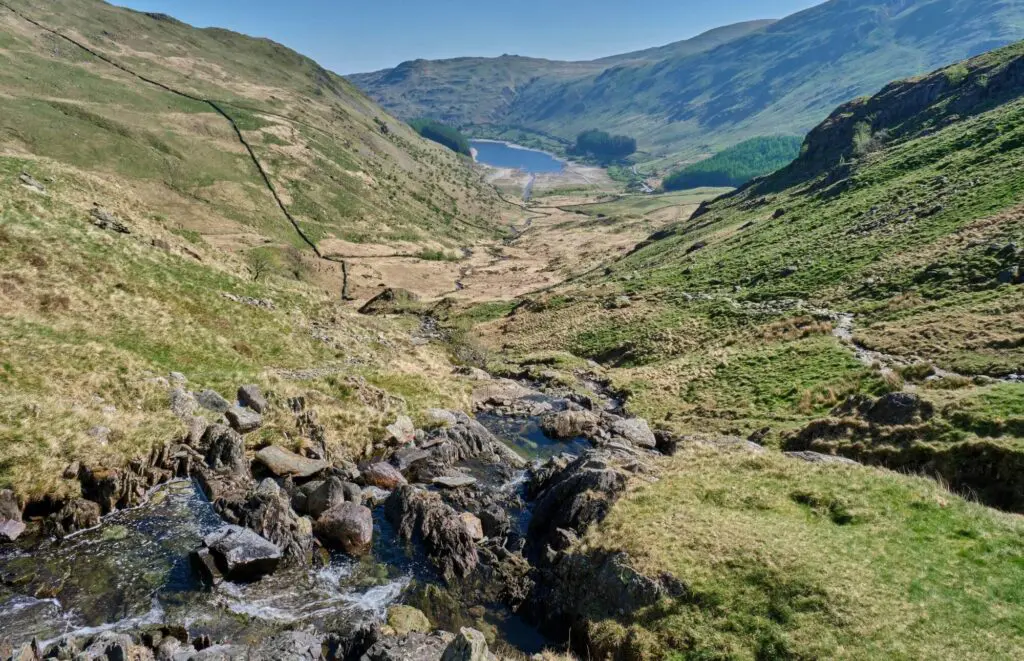
Following this, the organisation wrote to the RSPB with requests and later responded formally to the Planning Inspectorate. As a result, the RSPB agreed to remove all fencing at the end of the scheme and not apply for renewal. They also moved the top fence line of one exclosure further down the slope, reducing the sense of enclosure for walkers between two Wainwright summits. In addition, the distance between another exclosure and the Gatescarth Pass byway was increased.
When responding to Planning Inspectorate applications for temporary fencing on common land, Friends of the Lake District carefully considers the public interest, including nature conservation, landscape conservation, public access, and heritage protection. Some of their recommendations are now reflected in official decisions.
At Little Langdale and Greenburn Commons, the Planning Inspectorate agreed to a 15-year fencing period, allowing saplings more time to establish in harsh upland conditions and reducing the likelihood of future renewal applications. It was also agreed that fencing should be plain rather than barbed wire because the land is designated as open access.
Ongoing Challenges of Common Land Farming
With no bespoke agri-environment funding currently available for commons, these ancient landscapes face serious threats. Filmmaker Sarah Beddington explored these challenges in her 20-minute film Common Ground, which documents the experiences of upland hill farmers working on commons. The film is heartbreaking and inspiring in equal measure and is definitely worth a watch – click here.
Share this post
Related posts
Updates from our campaigns, our land, and the people taking action for the Lakes.
Drought in Cumbria
Policy Officer Amanda McCleery looks at what should be done to mitigate the risk of drought in Cumbria.
Scotmid Co-op volunteers lend a hand at new site
The Scotmid Co-op team helped rebuild boundary wall on new Friends of the Lake District land
Pop-up campsites
Planning officer, Leanne Parr, looks at the benefits and impacts of temporary campsites, and what can be done…