
Land Manager’s diary
Research and conservation news
Our land manager rounds up some of the latest news from across the conservation world including important research about the link between habitat recovery and hill farming.
Research and conservation news
Butterfly spotting
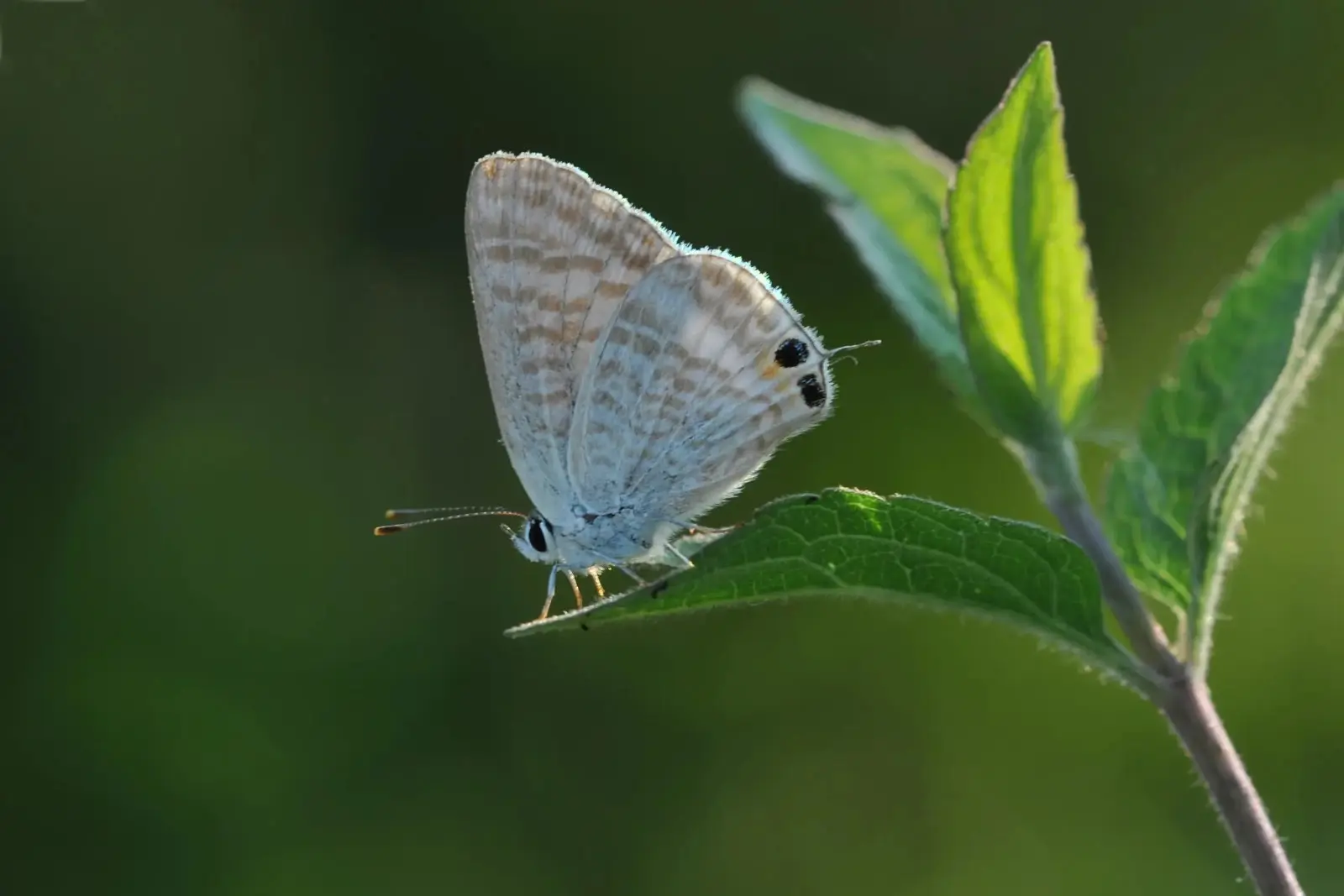
There was good news on the butterfly front as Cumbria Biological Data Centre revealed that this summer has been particularly good for the Clouded Yellow (Colias croceus) butterfly with over 70 records for the year across the county. The other notable butterfly news was the discovery in August of a Long-tailed Blue (Lampides boeticus) at Arnside Knott, the first Cumbrian record of this species and a contender for the most northerly record of the species in the UK. Historically this species has been a rare migrant from southern Europe, appearing mostly on the southern coast of England. An individual recorded so far north is highly unusual and this is likely to be due to the particularly hot conditions in southern England pushing migrants even further north.
Habitat recovery and farming
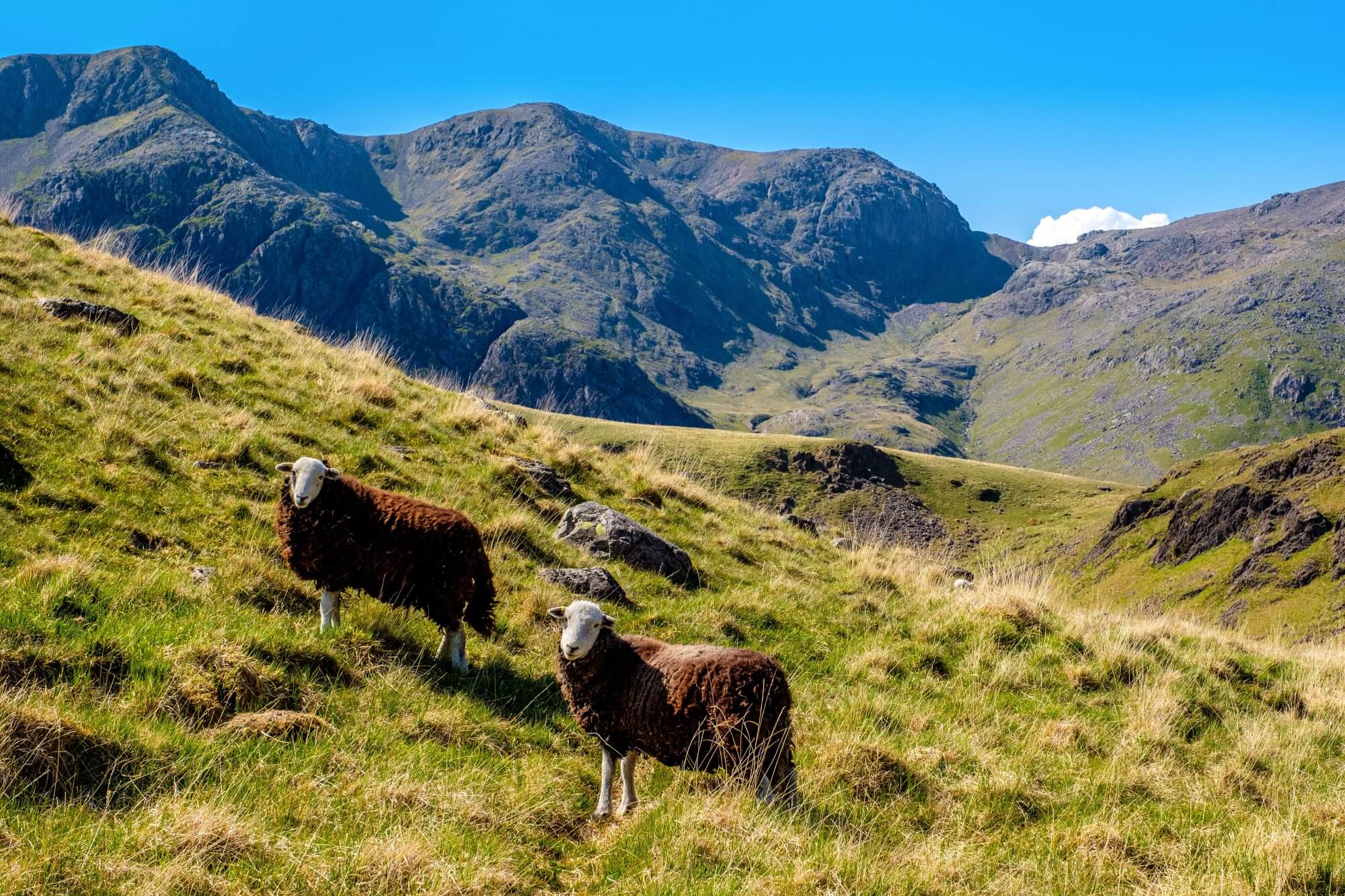
Elsewhere, an independent scientific review has found that habitat recovery and viable hill farming businesses can work together when grazing is planned to suit each area. The Grazing for Good project sought to review the value of grazing livestock in the hills, both for farming, nature and landscape. A key question was whether the Natural England stocking rate of 0.5 ewes per ha of land was realistic and should be a target to apply across the Lakeland fells. The review found that habitat condition is shaped by much more than sheep numbers alone. Nitrogen deposition from the air, burning, climate change, deer and past management all play a part, alongside the timing and pattern of grazing.
Some upland habitats depend on grazing to remain in good condition. Where purple moor-grass is already dominant, removing sheep can let coarse growth build up and crowd out smaller plants. The conclusion was that effective nature recovery requires flexible, evidence based grazing management tailored to local environmental conditions rather than reliance on a universal stocking figure.
The review also sets stocking decisions against farm incomes. Agri-environment and other scheme payments made up just under 59% of farm business income on upland livestock farms in England in 2024/25 and the panel concluded changes to stocking need to be judged against the viability of the whole farm, not the fell grazing calendar alone. Government needs to look at how farmers could be supported to help provide the more intense shepherding required to help enable this to happen.
The results of this review are not a surprise in a way as common sense tells you that what works in one part of the Lakes will work differently in another part due to different climate and land conditions. Things always work best when tailored to an area. The other thing that is not a surprise is that all the public goods farming produces need to be taken into account – the very point our own multiple capitals research proves – it is not just about food or nature, there are all the other benefits to take into account – carbon sequestration, access, cultural heritage, health and well being, the list goes on. The Grazing for Good project has another year to run and we look forward to the ongoing results and findings coming out of this important work.
The value of green spaces
Looking wider than Cumbria, new polling and evidence from The Wildlife Trusts demonstrates that the public grasp the importance of nature far more than politicians. According to a poll commissioned by the Wildlife Trusts and other conservation charities, the public want more than 60% of Britain’s land protected for nature, a figure more than double the UK Government’s commitment to protect 30% of land and sea for nature by 2030.
When you align this with information from another report, the case for supporting nature is even bigger. The Horticultural Trades Association released its Value of Green Spaces report and it has some interesting facts :
- Natural air conditioning: One street tree provides the cooling equivalent of 10 air-conditioning units, as the UK has seen more than 2,700 excess heat-related deaths in 2026.
- NHS support: Green spaces save the NHS £148m annually in GP visits alone. This equates to the salaries of 3,500 nurses. Yet public parks face a £690m funding black hole.
- The green space gap: 409 square kilometres of private green gardens are at risk of being paved over in the next five years, while 8 million people live without a green space within a 15-minute walk.
- Public support: 85% of UK adults want to see protection for existing green spaces, with half (50%) saying nature must be prioritised over housing development.
The figures really show how how green spaces can cool towns and cities during heatwaves, reduce flood risk, improve mental and physical health, support biodiversity and help create healthier, more resilient communities. As we face ever more pressure from heatwaves, flooding and drought, pressure on the NHS continues to grow, investing in green spaces is no longer an optional environmental enhancement but a practical solution to some of the UK’s biggest challenges.
Share this post
Related posts
Updates from our campaigns, our land, and the people taking action for the Lakes.
Duddon magic
In her latest blog, our land manager explores the important work underway in the Duddon Valley.
Bugs, bats and bees
Building bug hotels, bat watching and seed collecting at Dam Mire Open Day. Government funding for Sustainable farming…
Woods and squirrels
It’s been another busy week on and off the land as work continues to help our woods in…