
Blog
Drought in Cumbria
Policy Officer Amanda McCleery looks at what should be done to mitigate the risk of drought in Cumbria.
Drought in Cumbria
I champion all things water for Friends of the Lake District – it’s a central feature of Cumbrian landscapes and vital to wildlife and natural beauty, our wellbeing, recreation, farming, tourism and other local business, and it explains much of our ancient and industrial history.
But this life-giving resource is taken for granted and under threat. Not only do lakes and rivers suffer from poor water quality due to pollution, from sewage and farming, our growing demand for water puts pressure on finite supplies. Climate change also increases the frequency of drought and flooding.
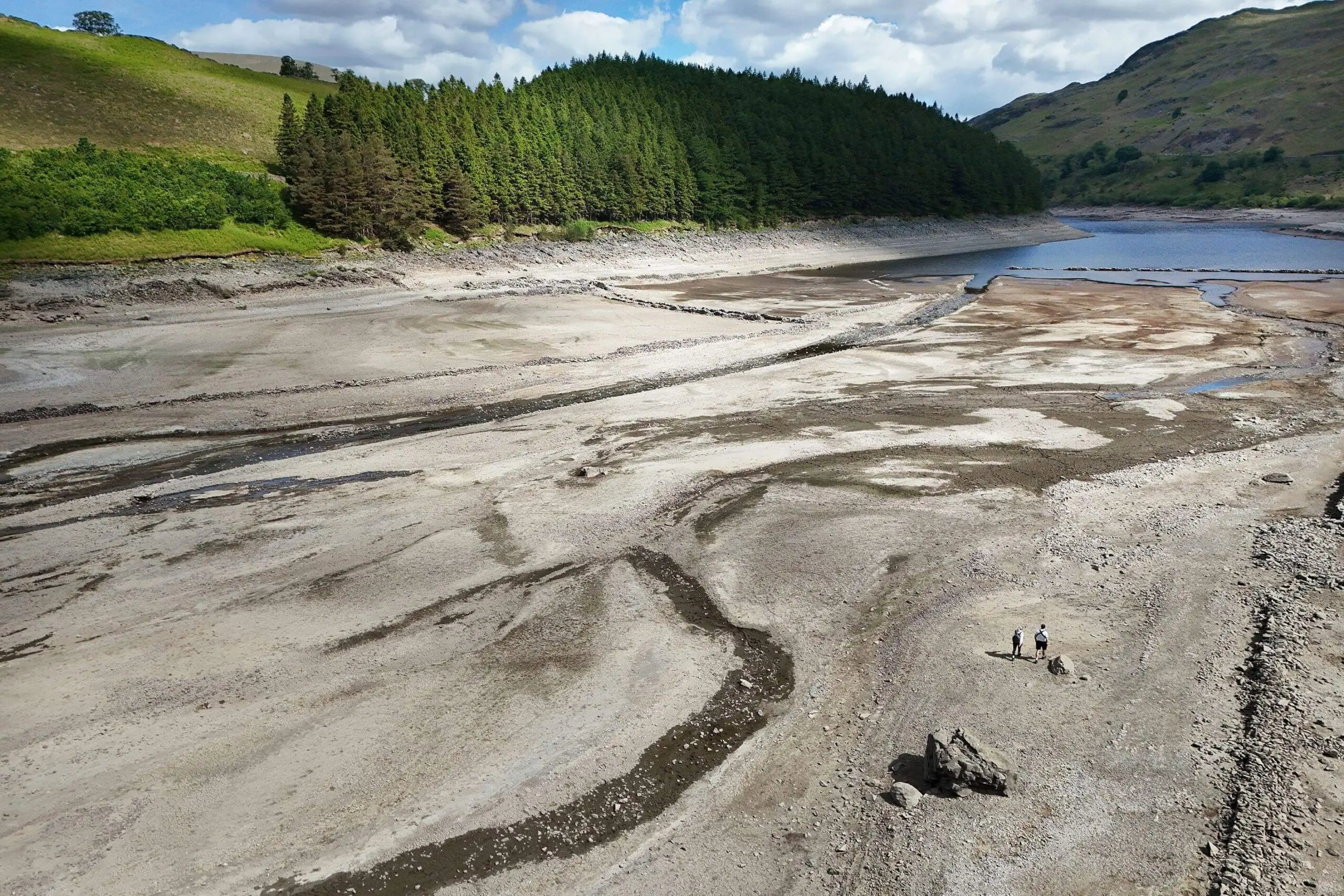
Cumbria first declared a drought in spring 2025. With all the hot, dry weather this year, Cumbria currently has ‘prolonged dry weather’ status, just one level away from drought. Without significant rainfall, we would join the two thirds of the country that are already experiencing drought status.
How is Friends of the Lake District helping with water in Cumbria?
What are we doing to help influence how our water is managed to better protect our landscapes when water is so lacking?
Recently, we responded to United Utilities draft five-year drought plan, which they will begin to implement in 2027. The weather we’ve had this summer makes the delivery of concrete steps to reduce the impact of drought on the landscapes of Cumbria ever more urgent.
In our response, we called for more leakage detection and repair by United Utilities. It is the responsibility of the company to maintain our water infrastructure such that leaks are kept to a minimum and if it does not, the public will be less minded to save water themselves.
We also expressed concerns about a long list of reservoirs being decommissioned across the Lake District. Even if these older reservoirs are no longer used for drinking water, the water they hold could prove useful in prolonged drought at least for flushing toilets, various industrial processes and some aspects of farming. Fighting wildfires – a threat to people and the landscape that is only going to increase in its likelihood and impact – also depends on having sufficient, accessible water supplies to draw upon.
We also highlighted the number of Cumbrian farms that are on private water supplies, which makes them and their livestock vulnerable in drought and power cuts. We have always challenged the principle of our precious water being exported south and east at the expense of people and wildlife in Cumbria – we don’t always have water to spare!
Saving water is everyone’s responsibility
Although the primary responsibility rests with the water companies, we all need to do our bit by thinking about how much water we use, particularly in times of prolonged dry weather, and by fitting water meters to better understand and manage our water use. There’s plenty of advice to be found online about ways to save water – such as this page on the Energy Saving Trust, for example. And even when the rain returns, we’ll all need to keep saving water – as reservoirs take several months to fill up!
All part of everyone being aware of and appreciating the true value of water.
Photo: Haweswater pictured in May 2025. (Owen Humphreys / Alamy)
Share this post
Related posts
Updates from our campaigns, our land, and the people taking action for the Lakes.
Bugs, bats and bees
Building bug hotels, bat watching and seed collecting at Dam Mire Open Day. Government funding for Sustainable farming…
Woods and squirrels
It’s been another busy week on and off the land as work continues to help our woods in…
All about seats, plugs, walls and bats…
In a packed blog this week: the Dam Mire wood Eye Seat, bracken rolling at Rusland woods, signpost…