
Our work
Fairer housing, stronger communities
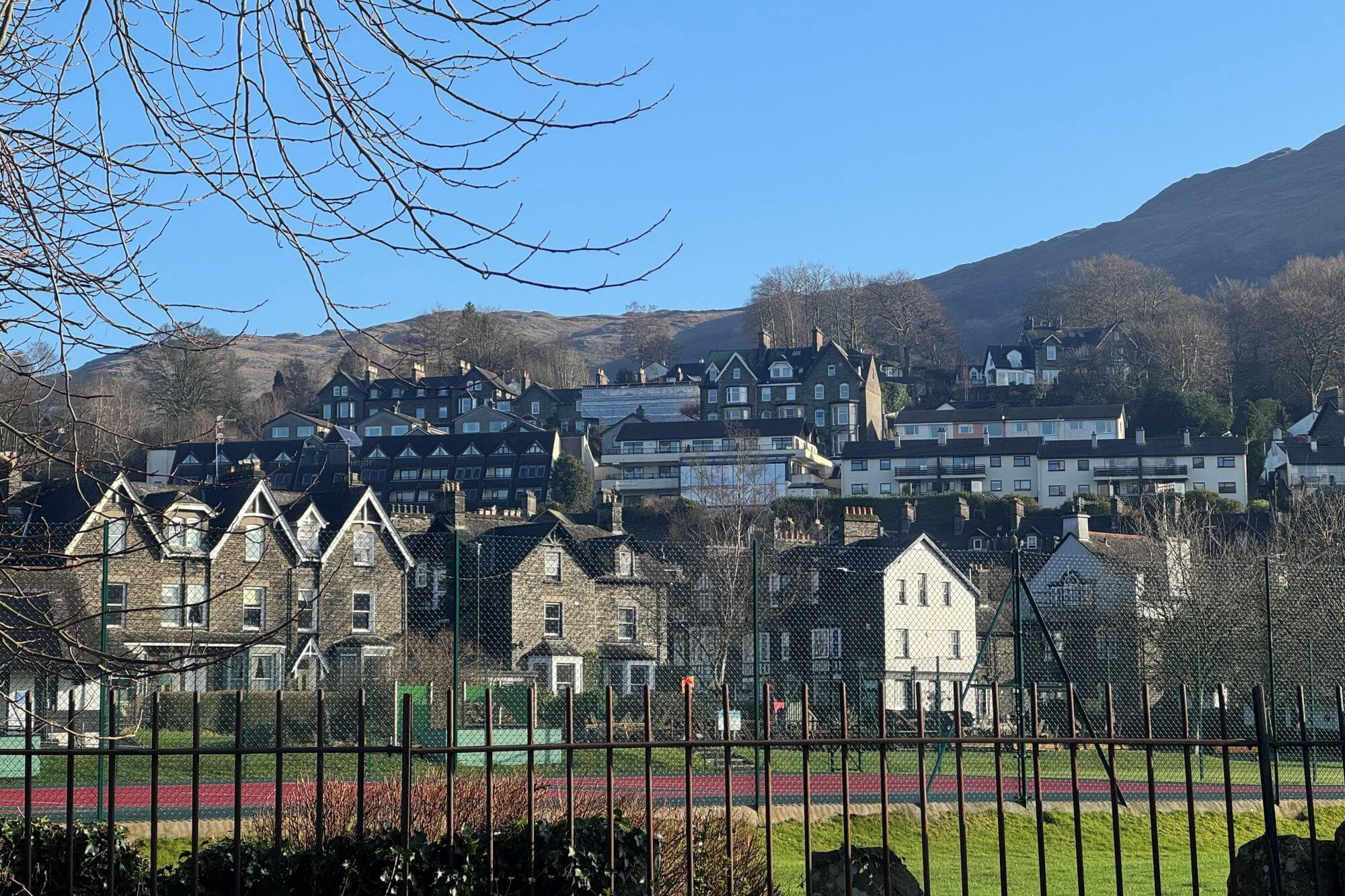
Our campaign aims to support local communities
in the Lake District by reducing the amount
of empty and under-used homes, and increasing
the number of houses occupied by full-time, permanent residents.

Time for a change
Fairer Housing, Stronger Communities is Friends of the Lake District’s new campaign to tackle the growing housing crisis affecting communities across the National Park. With nearly a third of homes in the Lake District sitting empty for much of the year, rising numbers of second homes and short term holiday lets are pushing out local residents, eroding village life, and threatening essential services.
Our campaign calls for legislative changes to rebalance the housing market, ensure more homes are lived in year round, and restore thriving, sustainable communities throughout the Lake District.

Hollowed out
Communities across the Lake District are being hollowed out as permanent residents are priced out or unable to find a home to rent. According to a report that we commissioned in 2025, 28% of dwellings in the National Park are unoccupied, more than twice the Cumbrian average. A striking 92% of holiday lets are in permanent buildings suitable for year round housing, yet they are unavailable to local workers and families.
As the number of unoccupied homes rises, the permanent population continues to fall. This has serious consequences:
- Schools, healthcare services, shops and local amenities struggle to stay open.
- Businesses cannot recruit staff because there is nowhere affordable to live.
- Traditional tourism providers like B&Bs and hostels face reduced trade.
This campaign isn’t about opposing tourism — it’s about finding a better balance. The Lake District depends on tourism, but it also depends on strong local communities. When homes are empty for much of the year, the local economy becomes unstable, particularly in the off season. A community of permanent residents, by contrast, supports year round employment, services, and the social fabric that makes the Lake District special.
Our campaign goals
Fairer Housing, Stronger Communities focuses on practical, deliverable changes that will help protect and rebuild local communities. We are campaigning for four key measures:
New planning rules for second homes and holiday lets
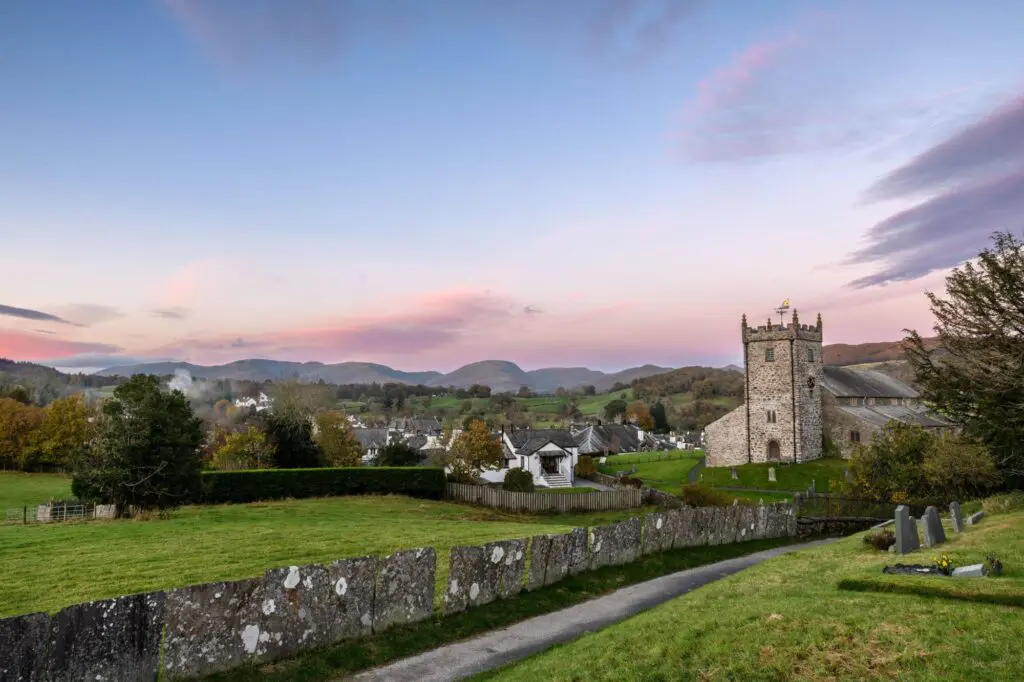
We want dwellings, second homes and short term holiday lets to become separate planning use classes. This would mean planning permission is required to convert between them, giving more control to local authorities and communities.
A mandatory national register for short‑term lets
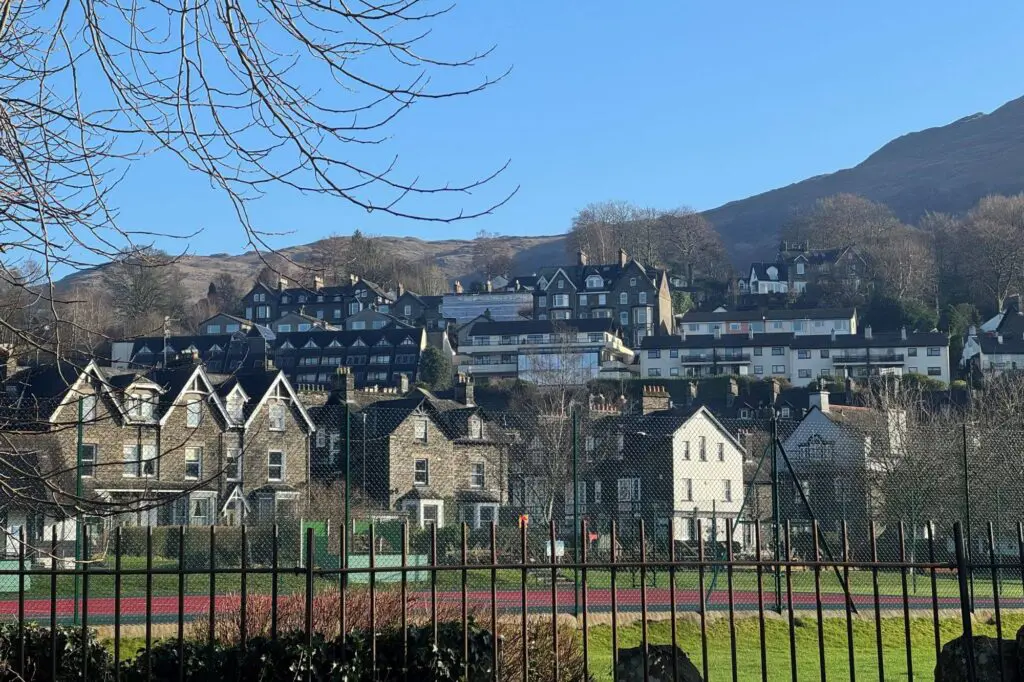
A clear, accurate record of all short‑term holiday accommodation is essential for understanding and managing the scale of the issue.
A licensing system for short term holiday lets
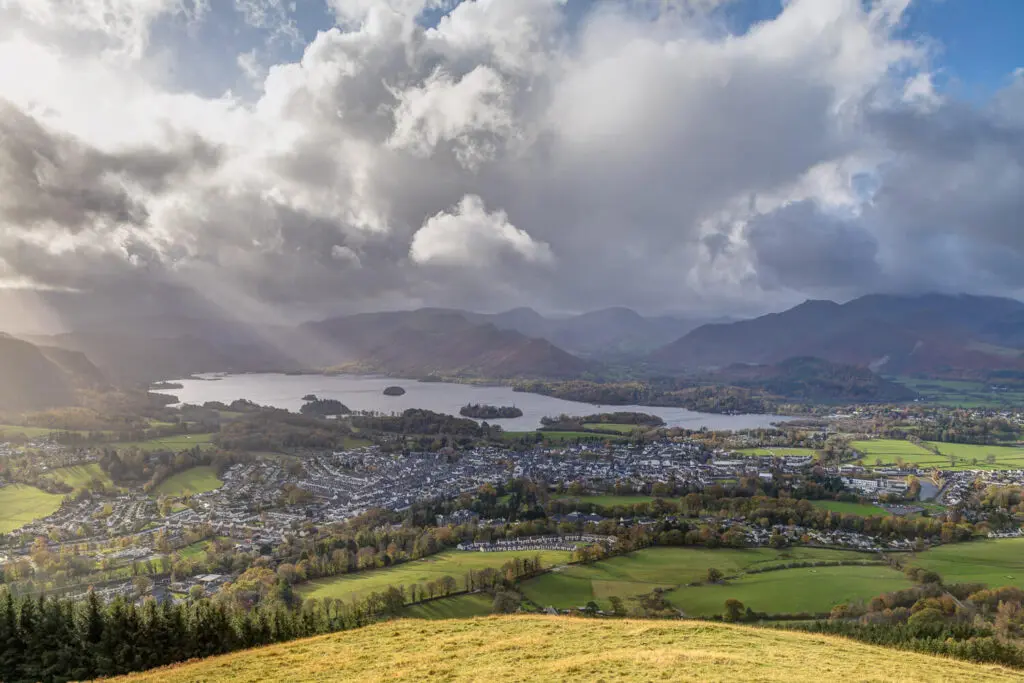
We are calling for all holiday lets to require a licence from the local authority, helping ensure responsible management and fair competition with traditional accommodation providers.
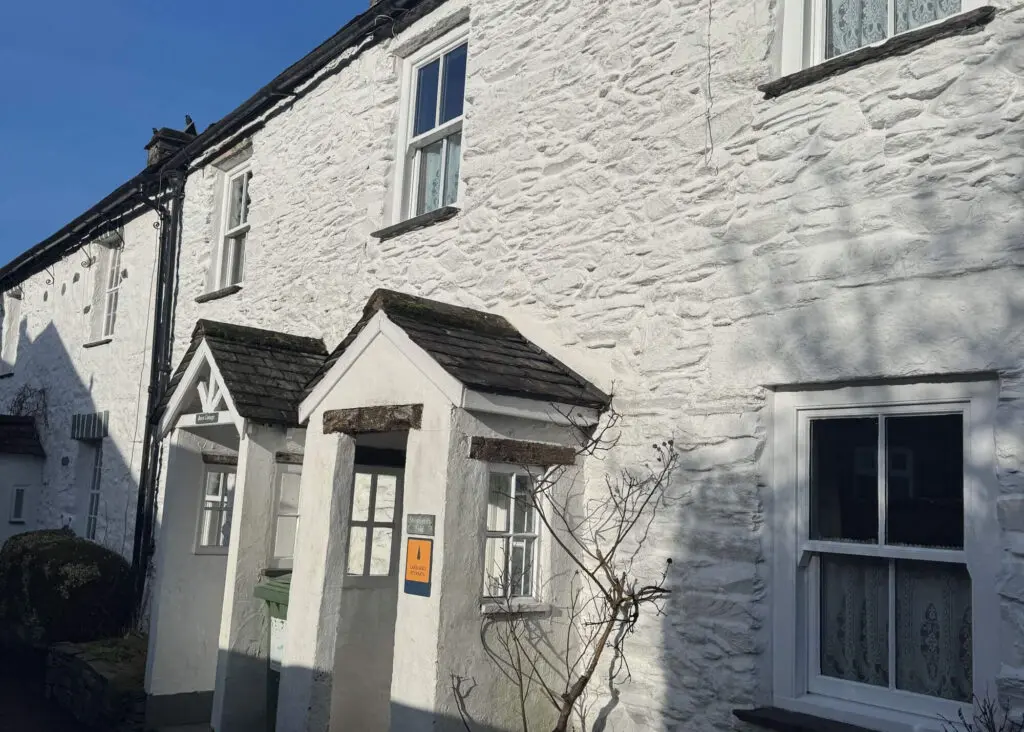
Holiday lets to pay council tax, not business rates
If a property could reasonably be a home, it should contribute to the local tax base. This change would help discourage the loss of housing stock to commercial short term letting and support local services.

Sign our petition
for fairer housing
Questions and answers about our
Fairer Housing campaign
Friends of the Lake District campaigns for landscapes that are tranquil, rich in cultural heritage and environmentally healthy. Our concept of landscape is holistic: it comprises people and communities as well as nature. Where communities are in decline and the balance between community, economy and nature is being upset, the landscape’s character changes for the worse.
In some parts of the National Park, there are three times as many properties given over to self-catering visitor accommodation as there are lived-in dwellings. With an increasing number of properties empty or underused as the permanent population declines, communities are being hollowed out and local services and businesses lost.
Controlling the number of short-term lets and second homes would ensure a better balance between the value that tourism brings to the local economy, the needs of those wanting to stay in, and enjoy, the National Park and the needs of permanent residents. Achieving this aim would contribute to our vision of thriving Cumbrian landscapes, for nature, for people, for ever.
We want to solve the lack of affordable housing in the Lake District by tightening the rules on short-term letting, (further) disincentivising second homes – already subject to 200% council tax – and bringing underused properties back onto the housing market. Not only will this restore community vibrancy in heavily visited areas, but it will also reduce the amount of new build needed and ease the pressure to put new homes in less sustainable locations.
Concretely, we are calling on the government to introduce a mandatory national register for short-term let visitor accommodation. This must apply retrospectively to existing as well as new short-term lets. To make a register an active tool for reducing the community impacts of short-term letting, new legislation should be introduced requiring short-term holiday lets to secure a license from the relevant local authority. Local authorities should be empowered to refuse new licences where a significant proportion of properties are already given over to holiday letting.
Making dwellings, holiday lets and second homes separate use classes with a requirement for planning permission to change from a permanent residence to a second home or holiday let would give local planning authorities the power to refuse permission where such changes would (further) hollow out a community.
Finally, introducing a requirement for holiday lets to pay council tax (including any premium in place) rather than much lower business rates would close the loophole by which holiday let owners are rewarded for the negative social impacts of having converted their property.
Visitor spending tends to be narrowly focused on immediate needs for food and recreation, whereas local residents contribute consistently to the local economy and keep services viable year-round. Long-term residents create jobs, provide a workforce, use services and contribute to community cohesion – through volunteering and membership of clubs and societies – in ways that short-term visitors do not.
Rather than housing being geared towards visitors, a balanced housing mix would support both tourism and community life.
There is arguably less and less of an off-season. And the problem of un-used or underused homes is already spread across the whole year since most holiday lets and second homes don’t suddenly become lived-in homes during the off-season. Increasing visitors and spreading them across the whole year notionally ‘solves’ the problem of underuse but at a cost of creating villages with no schools, no doctors’ surgeries, no community and no character. There has to be a better balance struck between permanent residents and visitors to maintain community cohesion and landscape character.
Housing is essential infrastructure, and its use affects everyone – just like roads, water, and schools. Planning rules already exist to protect communities and ensure that individuals’ choices as to what they do with their property align with the public interest, but they need updating to respond to the proliferation in holiday accommodation.
We are not telling people that they cannot rent out their property as a holiday let (or own a second home) but that they should pay for the social / community impacts of doing so. This is necessary to balance the benefits of the visitor economy with ensuring that the proportion of the housing stock given over to visitor accommodation is not detrimental to the areas that people are coming to visit.
We recognise that some farmers have turned to holiday lets in the face of rising costs and an uncertain farming payment regime, and that this may bring in a good portion of their income. The impacts of them doing so are likely to be less than in towns and villages where a high proportion of properties are made over from permanent residential use to short-term letting. At the same time, we do not support unlimited holiday letting on farms or a level of holiday letting that distorts the housing market and prevents locals finding a suitable home.
It should be noted too that there are already, in the Lake District National Park Authority’s Supplementary Planning Document on housing, restrictions on new build around farms and on the conversion of existing buildings from an agricultural use to a residential use.
An ageing population is part of the picture, but it does not exist in isolation. High housing costs and a lack of available homes drive younger people and families away, accelerating demographic imbalance. Short-term lets and second homes reduce the supply of housing, making it harder for younger residents to stay or return. These factors reinforce each other rather than acting separately.
Those letting out their properties or using them as second homes should recognise the impact that this has on local communities and consider making their properties available instead for long-term rent by local families / workers.
Visitors to Cumbria should be sensitive to the impacts that short-term holiday lets have on communities in the Lake District in deciding where to stay. In some areas, staying in other forms of accommodation such as hostels, traditional B&Bs and campsites might be more beneficial for communities. Our campaign aims to level the playing field between hotels and traditional B&Bs on the one hand and short-term lets booked through platforms such as Airbnb on the other. This would make the former more attractive to visitors.
Campaign news
The latest updates from our current campaigns.
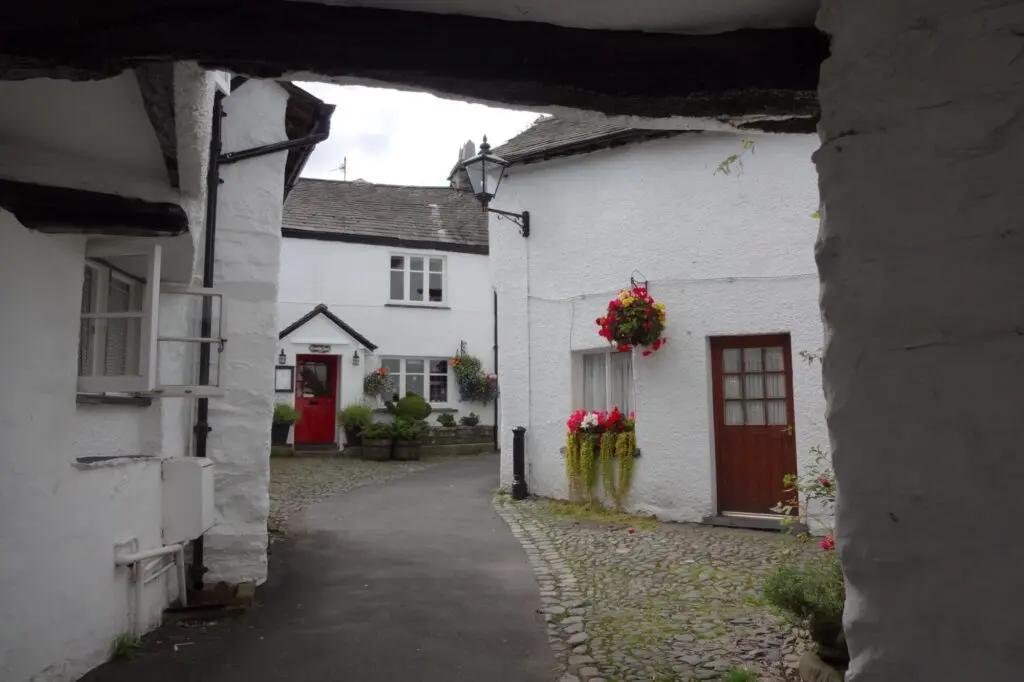
Fairer housing campaign launch
We’re seeking stronger controls on the conversion of residential homes to holiday use with our Fairer Housing, Stronger…
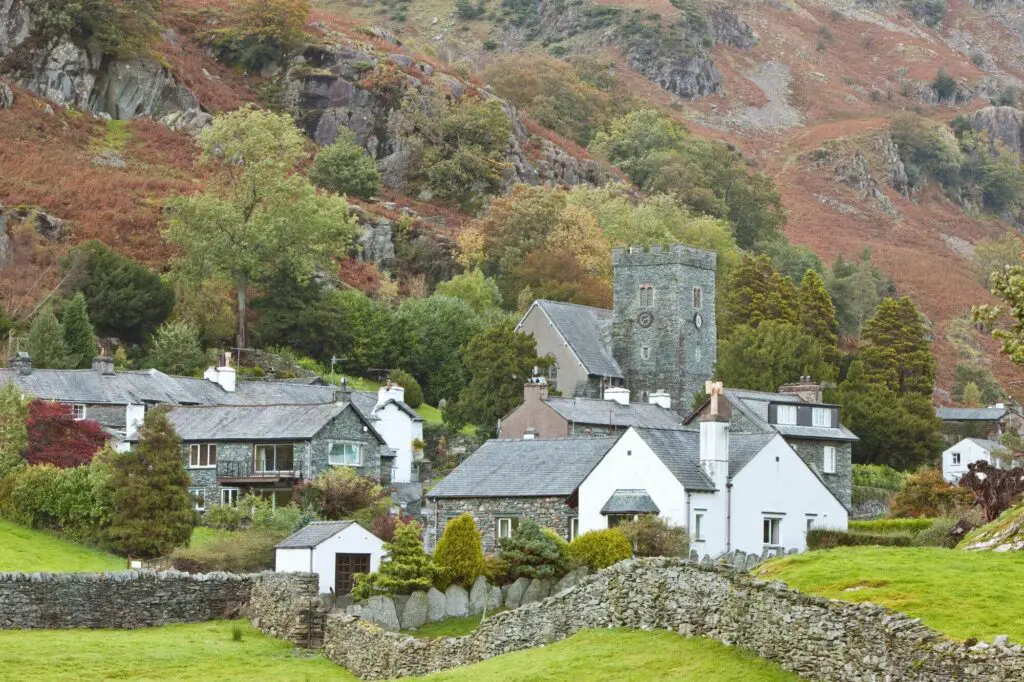
Fairer housing campaign petition
We’re calling on the Government to help reduce the amount of empty and under-used homes, and increase the…

Our new website
The website as you see it now is just the start. Much of our previous content is temporarily…
Explore more of our work
A snapshot of what we’re focused on right now. Explore a project to see updates, evidence, events and the best ways to get involved.

Planning
Protecting Cumbria’s landscapes through planning advice and policy guidance.
Visitor levy
We’re campaigning for a fairer way to pay for the things that the Lake District National Park needs to remain a beautiful place to live and visit.
Hedges and Edges
This project aims to create, restore, and monitor hedges and edges, as well as promote better management practices.