

News
What shape should a Cumbrian visitor levy take?
Last November, the government announced that mayors, including the mayor for Cumbria to be elected in May 2027, will have the right to impose a levy on the cost of overnight stays in the area under their control.
What shape should a Cumbrian visitor levy take?
Last November, the government announced that mayors, including the mayor for Cumbria to be elected in May 2027, will have the right to impose a levy on the cost of overnight stays in the area under their control. This is a vindication of our work of many years calling for visitors to the Lake District to contribute to the costs of protecting and enhancing it as a site of great natural beauty and tranquillity.
After agreeing in principle to allow mayors to introduce a visitor tax, the government opened a public consultation to gather information and opinion on the form that the tax should take and what it should be spent on. This consultation, which closed on 18 February, laid out the issues at stake in introducing a levy.
What area the levy should cover
A visitor levy could apply to the whole area for which the mayor is responsible, that is, Cumbria. The mayor could, however, choose to apply the levy only to a particular part of Cumbria, such as the Lake District National Park.
Our preference is for the levy to apply to the whole of Cumbria on the grounds that some issues, such as transport, are not specific to the Park but are only solvable at a county level. In turn, the revenues raised should be spent more or less in proportion to the number of visitors to different parts of Cumbria, with around 60% of visitors coming to the Park and 40% to other parts of the county.
Who should pay
The government is clear that the levy would apply to hotels, guesthouses, B&Bs, hostels, campsites, self-catering properties and short-term lets. It has floated the idea that some accommodation providers would be exempt if they operate below a certain income threshold.
We see the inclusion of informal short-let holiday accommodation within the scope of the levy as essential and reject the possibility of an exemption for those only occasionally making their propertiesavailable for rent. Short-term holiday letting, even for a relatively small number of days per year, can have significant negative impacts whose mitigation is not helped by exempting the owners of such properties from the levy.
How the level of the charge should be set
It is proposed that the visitor levy would be set as a percentage of the price of accommodation. This is the same as in Scotland, while in Wales, the tourist tax is set at a flat rate.
We favour a proportionate model as it is more equitable, which should itself encourage social acceptance.
The mayor should have the flexibility to set levy rates themselves. This allows them to respond to the level and nature of need and the costs involved in addressing the impacts of tourism in particular places. We also suggest that the number of nights for which a levy applies can be capped in order to encourage longer stays.
What a visitor levy should be spent on
The consultation signals that mayors could spend revenue from the levy on “broader initiatives which have a positive impact on the region’s economic health”. This gives English Mayors more latitude to decide how to spend the revenues raised than those responsible for visitor levies already in train in Scotland and Wales. In these regions, there is a requirement to spend revenues more narrowly on matters relating to the visitor economy and destination management.
We are nonetheless concerned that revenues from a levy would be used, directly or indirectly, to drive up visitor numbers. Our preference is for revenues from a visitor levy to be directed at addressing the impacts of tourism and encouraging low impact forms of tourism. As it stands, the level and nature of tourism to Cumbria is an important contributor not only to the hollowing out of communities from a decline in the availability and affordability of housing due to the proliferation of second homes and holiday lets, but also footpath erosion and landscape degradation as well as congestion arising from the volume of visitors arriving and moving around in private cars given a limited, uncoordinated public transport system. These impacts are undermining what is special about Cumbria and what people come to experience.
Our call to Mayoral candidates
Friends of the Lake District will be urging all mayoral candidates to commit to seeking on their first day in office, the power to levy a visitor tax. Our own, independent research shows that a majority ofboth residents and visitors support such a tax. Many of us will have already paid similar levies on trips to other parts of Europe without these levies having triggered a collapse in the tourism industry in those cities and regions where they apply.
The mayor should use the visitor tax as an instrument for safeguarding the visitor experience – and thus the contribution of tourism to the local economy – and in ensuring that tourism is fair to communities and works in harmony with, rather than against, the landscape that draws visitors to Cumbria in the first place.
Photo: Ambleside (Jonny Gios)
Share this post
Related posts
Updates from our campaigns, our land, and the people taking action for the Lakes.

Our new website
The website as you see it now is just the start. Much of our previous content is temporarily…
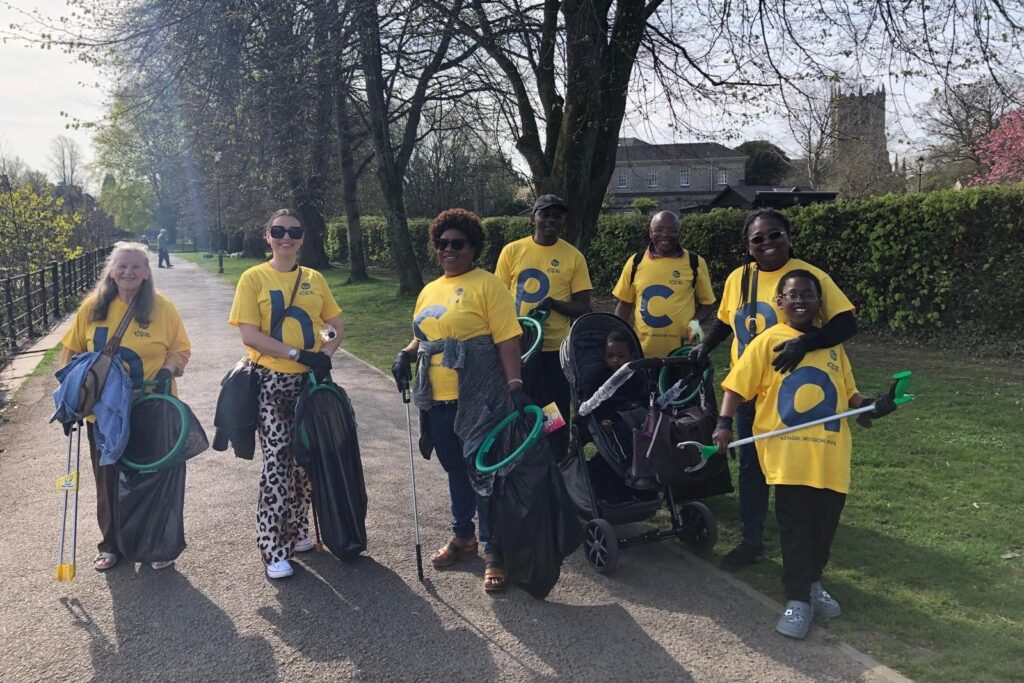
Great Cumbrian Litter Pick 2026
We’re hoping lots of people across the county will help us with an annual spring clean on Friday…
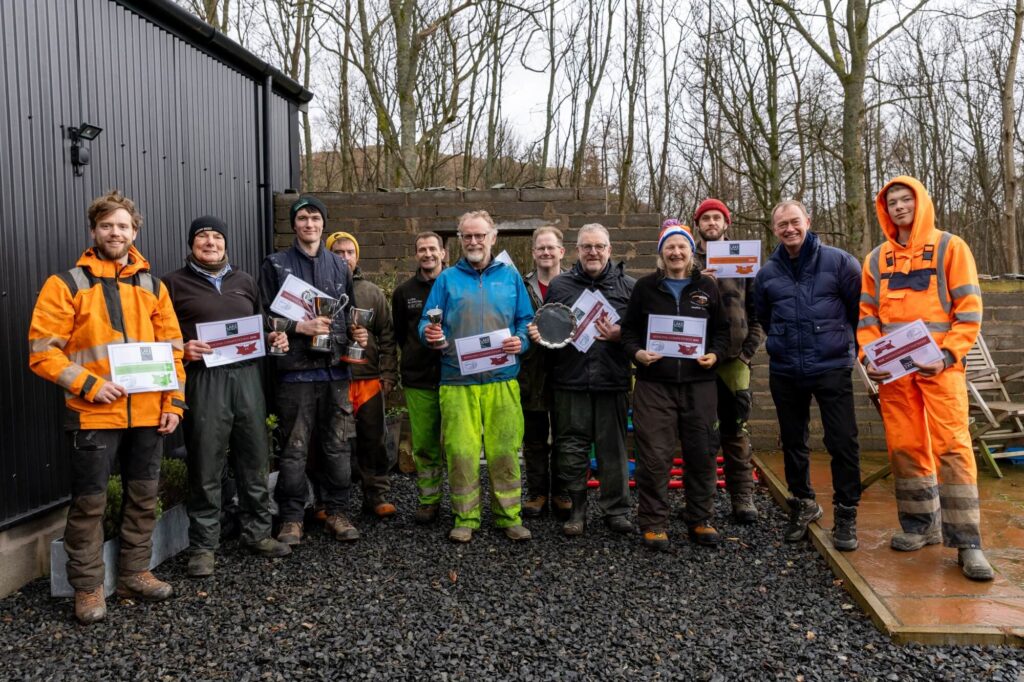
Annual Hedge Laying Results 2026
Results of this year’s hedge laying competition which took place on Saturday 21 February at Gowbarrow Hall Farm,…