
News
Our campaign for fairer housing
We’re seeking stronger controls on the conversion of residential homes to holiday use with our Fairer Housing, Stronger Communities campaign.
Fairer Housing, Stronger Communities
Friends of the Lake District has launched a new campaign for Fairer Housing, Stronger Communities that aims to strengthen restrictions on the number of holiday lets and second homes in the Lake District. We hope this will ensure a better balance between the value that tourism brings to the local economy, the needs of those wanting to stay in the Park, and the needs of permanent residents.
For Michael Hill, CEO of Friends of the Lake District: “with this campaign, we’re taking a stand for the people of Cumbria. Holiday lets and second homes are underused and often empty, all the while local people cannot access affordable housing and are priced out of the areas that they grew up in. To restore community vibrancy in heavily visited areas, we want the rules on short-term letting to be tightened, the purchase of a second home (further) disincentivised and underused properties brought back onto the housing market. This will also reduce the amount of new build needed and ease the pressure to put new homes in less sustainable locations.”
The scale of the problem
Across the Lake District, holiday accommodation is replacing properties used for permanent residence: research commissioned by us shows that 92% of holiday lets in the National Park – 4,546 units out of a total of 4,935 – are in properties that are suitable for use as homes. This takes properties out of the residential sales and rental markets. Many are unoccupied for a large part of the year: in some tourist ‘hotspots’, the proportion of unoccupied dwellings is more than a fifth and, in Windermere North, Ambleside and Langdales, more than a third.
This proliferation of holiday lets and second homes has a perverse double impact: there are both too few permanent residents to sustain local schools and businesses and too many visitors in terms of the strain on roads, water and sewerage systems, waste collection and disposal services.
At the same time, the allocation of central government funding to local authorities is based on an area’s permanent population and does not take into account the number of visitors. This means that the more visitors there are to the Lake District, fuelling the shift to holiday letting and contributing to the decline in the permanent population, the less resources there are to manage the impacts that high visitor numbers have.
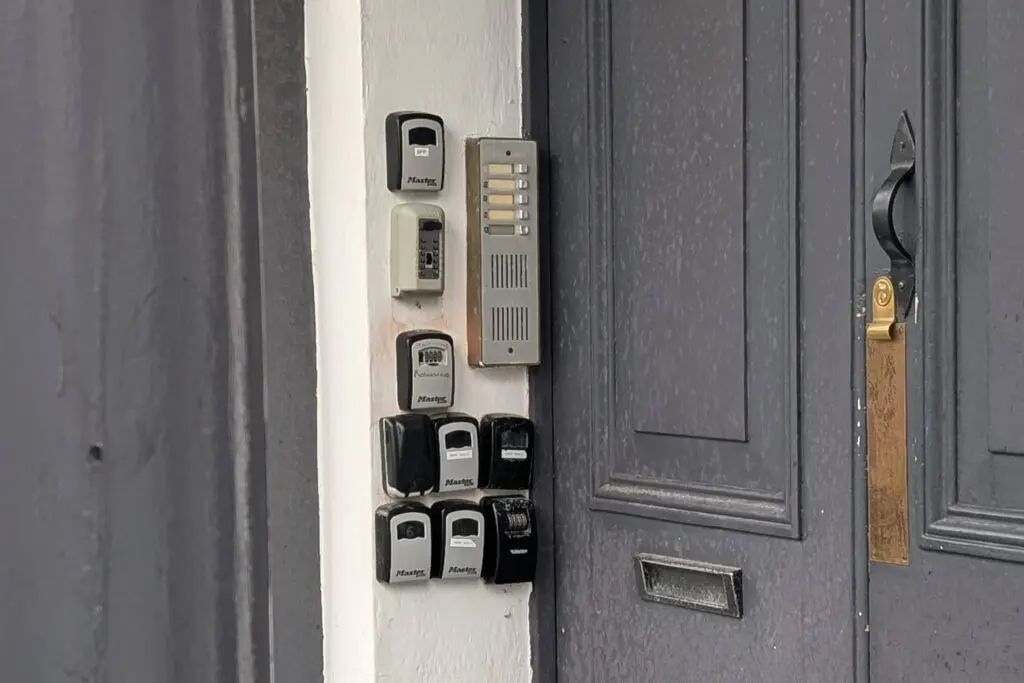

Key safes on at the entrance to a building in Keswick indicate possible holiday lets inside. Staff shortages are one of the problems cause by lack of affordable housing for local people.
Our solutions
At the moment, any property-owner can convert an existing home into a holiday let or second home without seeking planning permission. Informal holiday letting via Airbnb and other platforms is not subject to the same conditions as traditional B&Bs, for example in relation to fire safety, business insurance and disability access.
In this context, the Fairer Housing, Stronger Communities campaign aims to level the playing field between short-term holiday lets and the traditional holiday accommodation sector by making short-term lets subject to a mandatory registration and licencing scheme. Local authorities must have the power not only to refuse new licences where a significant proportion of properties are already given over to holiday letting but also to require planning permission before a permanent residence can be changed into a holiday let or second home.
Finally, introducing a requirement for owners of holiday lets to pay council tax (including any premium in place) rather than much lower business rates would close the loophole by which holiday let owners are, in effect, rewarded for the negative social impacts of having converted their property.
For Michael Hill: “the uncontrolled expansion of holiday accommodation is having a huge community impact. It is simply too easy to convert a permanent residence into a holiday let or second home. We want to see fairer planning policies and stronger restrictions on the loss of residential homes to holiday use. This isn’t a matter of telling people what they can or cannot do with their property or undermining the visitor economy but giving a fairer chance to people wanting to live and work permanently in Cumbria and who will keep communities – and the visitor economy itself – alive.”
A campaign backed by the Lake District National Park Authority
Gavin Capstick, Chief Executive of the Lake District National Park Authority, added his voice to the campaign: “The Lake District is a beautiful and unique National Park beloved by many, which is reflected in the millions of people who spend time here enjoying the landscape and exploring its rich natural and cultural heritage. While the National Park’s popularity supports its visitor economy and, as a result, its local communities, there is a real pressure on the availability of affordable housing for locals.
“Introducing measures to manage the number of second homes and holiday lets will help to maintain community vibrancy and resilience in the Lake District National Park. For this reason, we’ve asked the government to select the Lake District National Park to accelerate a national registration scheme for short-term lets, and to trial either a new licensing scheme for short term lets or a new planning rule that would treat short-term lets and second homes as a different category from residential homes, so owners would need planning permission to change a permanent dwelling to a short-term let or second home.”
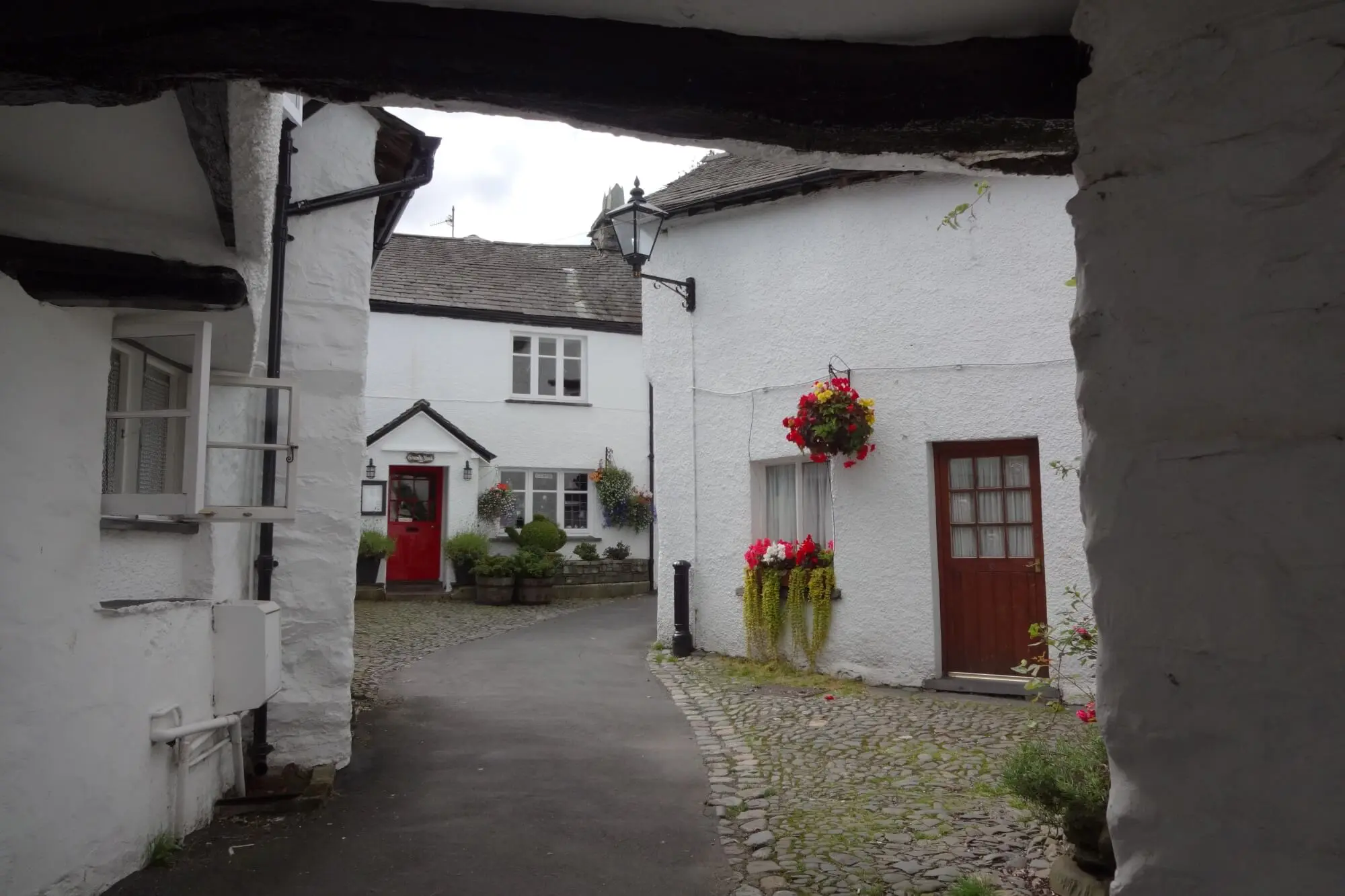
Main photo: Jen Heaton
Share this post
Related posts
Updates from our campaigns, our land, and the people taking action for the Lakes.
Fairer housing campaign petition
We’re calling on the Government to help reduce the amount of empty and under-used homes, and increase the…

Our new website
The website as you see it now is just the start. Much of our previous content is temporarily…
Great Cumbrian Litter Pick 2026
We’re hoping lots of people across the county will help us with an annual spring clean on Friday…