
News
Charity Needs Your Help to Add Colour to Upland Hay Meadow
Volunteers wanted to help plant wildflower plants in our hay meadow at Mazonwath, Little Asby on Tuesday 13 October.
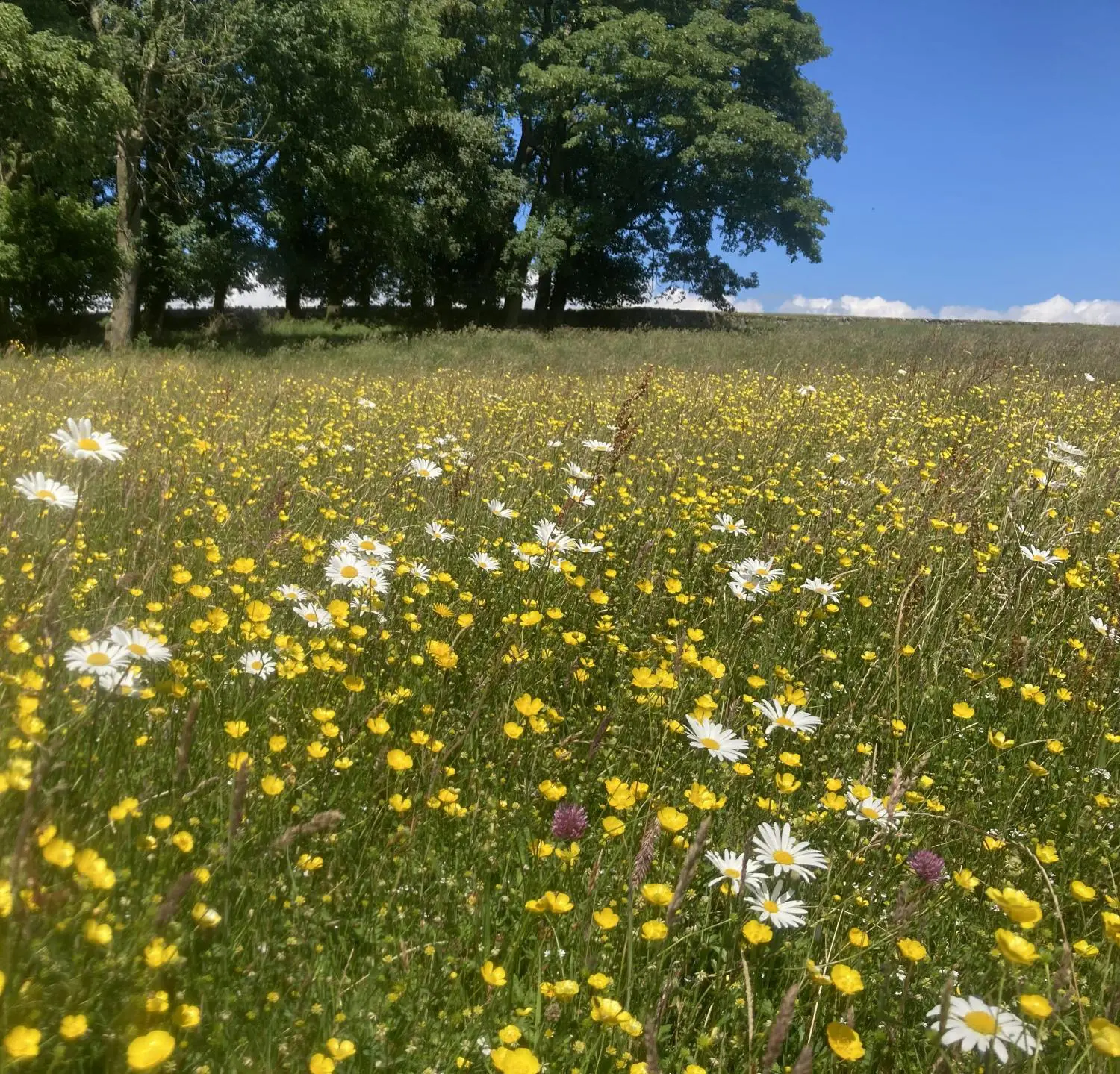
Help add colour to our upland hay meadow
Landscape charity Friends of the Lake District is asking for volunteers to help plant wildflower plants in its hay meadow at its land at Mazonwath, Little Asby on Tuesday 13 October.
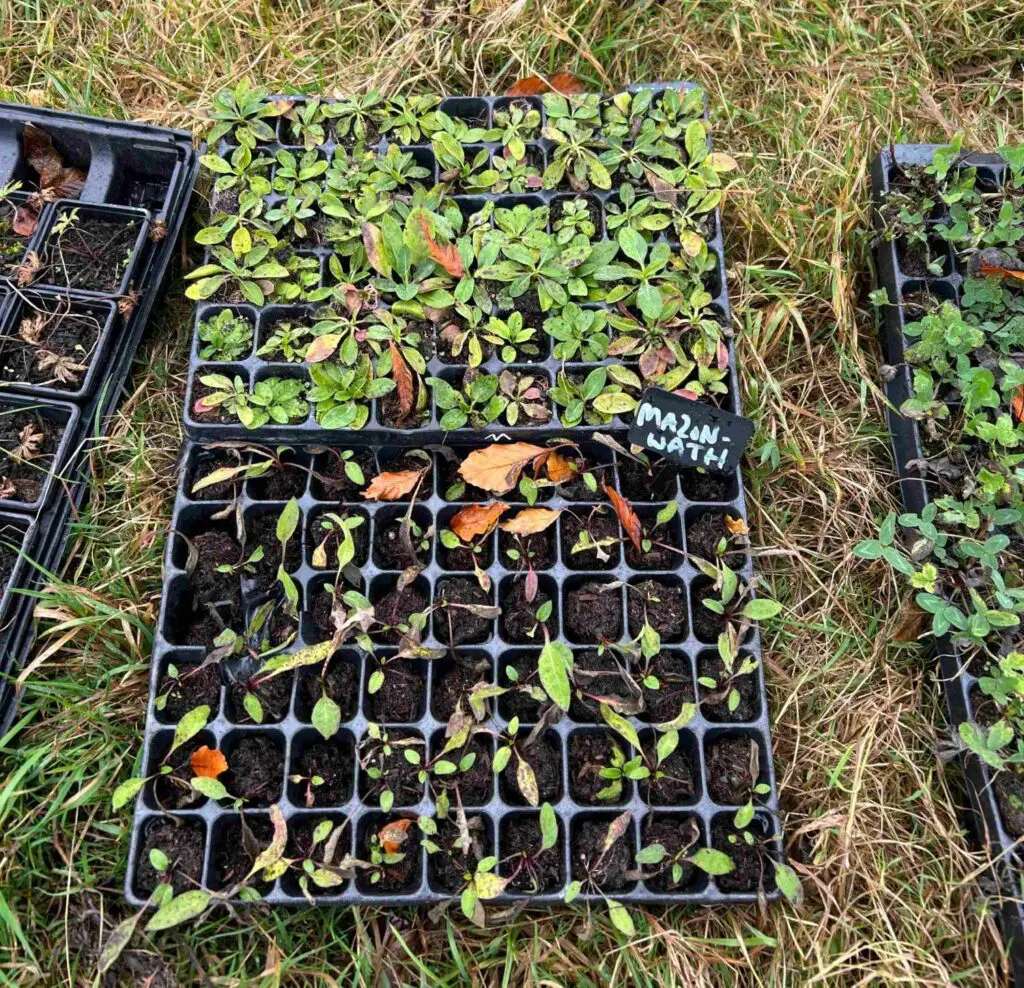
Volunteers are wanted to help it plant an additional 1500 plants on its upland hay meadow to add more diversity and colour to the meadow in the summer months.
Fantastic habitats for wildlife
Upland hay meadows provide fantastic habitats for wildlife, especially pollinators, invertebrates and birds. The plant roots are good for moisture retention and soil health, and their rougher texture means they can also play a part in slowing the flow of overland water. Sadly, 97% of upland hay meadows have been lost due to changing farming practices, so conservation work like this is really important to help our insects and birds have a home into the future.
The conservation planting day is part of Cumbria Seed Bank Project, which aims to safeguard vulnerable populations of plant species in Cumbria, so that these wildflower species are not lost forever.
Cumbria Seed Bank project
This element of the Cumbria Seed Bank project is funded by Yorkshire Dales Millennium Trust. Delivered by Cumbria Wildlife Trust, Cumbria Seed Bank is a two year project that aims to reverse the decline of rare and iconic wild flowers of grassland habitats in Cumbria.
Working in conjunction with Kew Millennium Seed Bank, the project is focusing on the collection, storage and sowing of seed from rare and declining grassland species that are found in Cumbria. Seed will be held at Cumbria Wildlife Trust’s Cumbria Seed Bank, at Gosling Sike nursery in Carlisle, with the aim to preserve the genetic diversity of native plant species.
Re-introducing rare plants in suitable locations
With the help of farmers, landowners and tenants, the Seed Bank project aims to re-introduce rare plants in suitable locations, and build strongholds of less common species, using seed collected as part of the project. The aim is not only to introduce harder to establish plants that are missing from grasslands; but to also use this project to inform future work to safeguard vulnerable populations of plant species in Cumbria, so that these wildflower species are not lost forever.
The charity will be planting great burnet, bird’s foot trefoil, black knapweed, cranesbills, oxeye daisy, and vetches.
This is the second year of the project, following an initial plug planting session in the autumn last year. Plug plants usually take a couple of years to grow to make a noticeable difference to the meadow, but the site will be surveyed by Cumbria Wildlife Trust’s volunteer meadow surveyors scheduled in the coming years.
Help create a more diverse, resilient grassland
Catherine Mercer, Grassland Conservation Officer at Cumbria Wildlife Trust said: “This project is a great opportunity to work in collaboration with Friends of the Lake District to help nature in Cumbria. By planting at Mazonwath, we will be helping create a more diverse, resilient grassland for people and wildlife to enjoy.”
Jan Darrall, Friends of the Lake District land manager said,
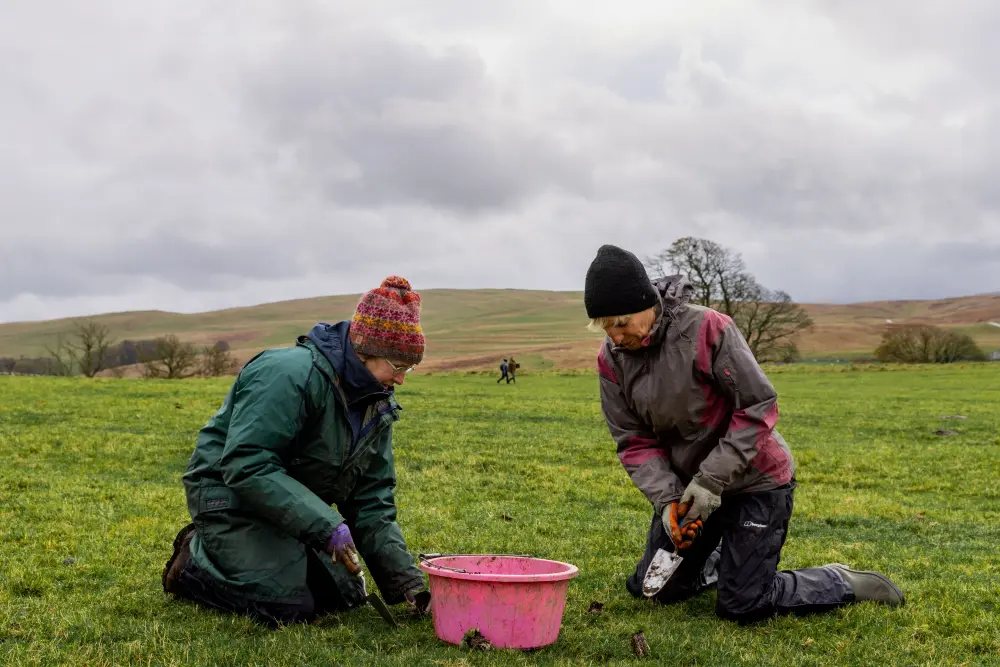
“There are no skills needed to help us plant, just enthusiasm and a trowel! It should be great fun and we can guarantee every volunteer a warm welcome, fresh air and the chance to help add an extra splash of colour to our uplands next summer!”
The charity runs volunteer events throughout the year on its land across Cumbria. All workparty dates and booking facilities for the plug planting day are available here: www.friendsofthelakedistrict.org.uk/events
Share this post
Related posts
Updates from our campaigns, our land, and the people taking action for the Lakes.
Friends of the Lake District welcomes decision to introduce a tourist tax
We welcome the news that Mayors in England will be empowered to introduce a tax on overnight stays…
Still treating the Lake District with contempt: litter survey reveals depth of anger
Our survey of litter, fly-camping and anti-social behaviour across the Lake District highlights a catalogue of damage to…
Community invited to discover Dam Mire Wood
Come along to our Community Day at Dam Mire Wood in Threlkeld on Friday 18 September 2026, from…