
case Study
Undergrounding overhead wires
Friends of the Lake District has long campaigned for undergounding. Together with SP Electricity North West and protected landscapes, we work hard to remove overhead wires from across Cumbria.
A short history of undergrounding
Friends of the Lake Distict has always recognised that electricity and telephone wires have a visual impact and detract from a landscape’s natural beauty. Spaces free from man-made clutter are important, whether open upland commons or along river valleys and lakes. Overhead lines can also spoil village character, particularly in conservation areas and where they impact on village greens.
We have long been campaigning for overhead lines to placed underground (known as undergrounding). In 1930s, our newly established charity successfully campaigned to re-route a section of high voltage wires to avoid pylons running along the eastern shore of Bassenthwaite. In Ullswater, the electricity company agreed to place 4.5 miles of high voltage line underground along the eastern and southern shoreline.
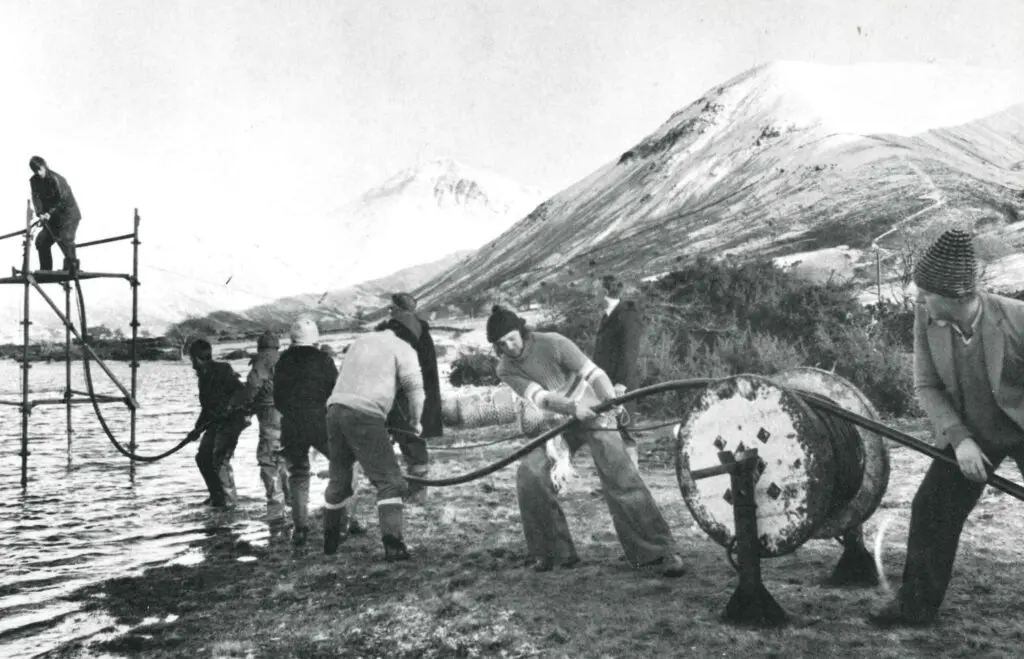
A battle over wires in Borrowdale began in 1937, in which we offered to pay half the cost of burying wires. Eventually the electricity supplier agreed to bury the whole Borrowdale line at its own expense and by 1956 Borrowdale homes finally had electric light. Lines from Buttermere to Gatescarth were put underground in the early 1960s and electricity wires for Wasdale were laid on the lake bed in 1977.
Ofgem’s undergrounding allowance
In 2002, we commissioned Cardiff University to assess the scope of placing overhead lines underground. The report “A Clear View” (published in 2003) was key in persuading the government regulator, Ofgem, to establish an Undergrounding for Visual Amenity allowance a couple of years later. Regional electricity companies use this to fund undergrounding in protected landscapes across Britain.
For over 20 years, we have met with staff from SP Electricity North West, National Park Authorities and National Landscapes to agree undergrounding schemes in these special areas across the North West. Whilst the allowance was set up to reduce the visual impact of electricity poles and wires in protected landscapes, undergrounding also makes infrastructure more resilient to extreme weather – that is increasing in frequency with climate change.
Impact of campaigning
By 2023, Ofgem allowance had resulted in 145km of overhead lines being removed from protected landscapes in the North West, including 56km taken down in the Lake District National Park. You can see these undergrounding schemes on SP Electricity North West’s interactive map. ENWL Undergrounding for Visual Amenity — Electricity North West (opendatasoft.com)
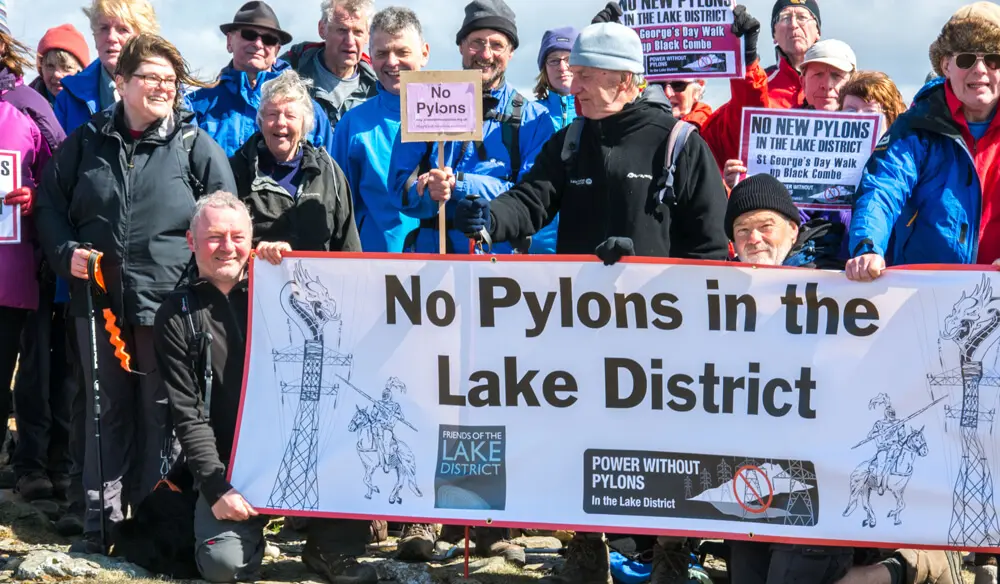
Tireless campaigning by us and others led to a government ban, in 2024, on any new, long (more than 2 kms) stretches of intrusive lines going through protected landscapes.
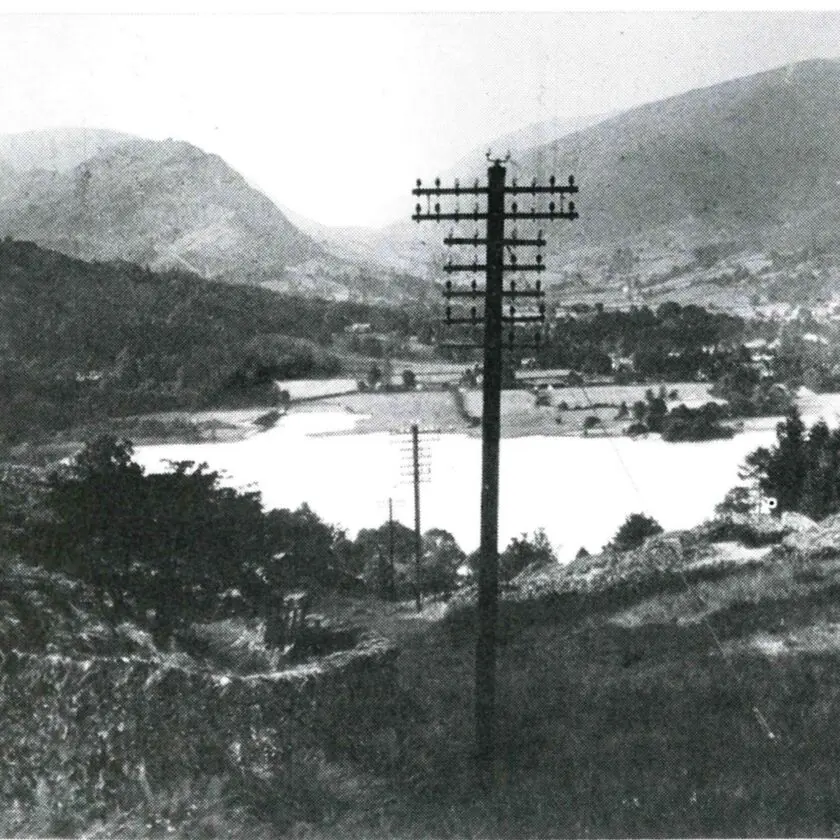
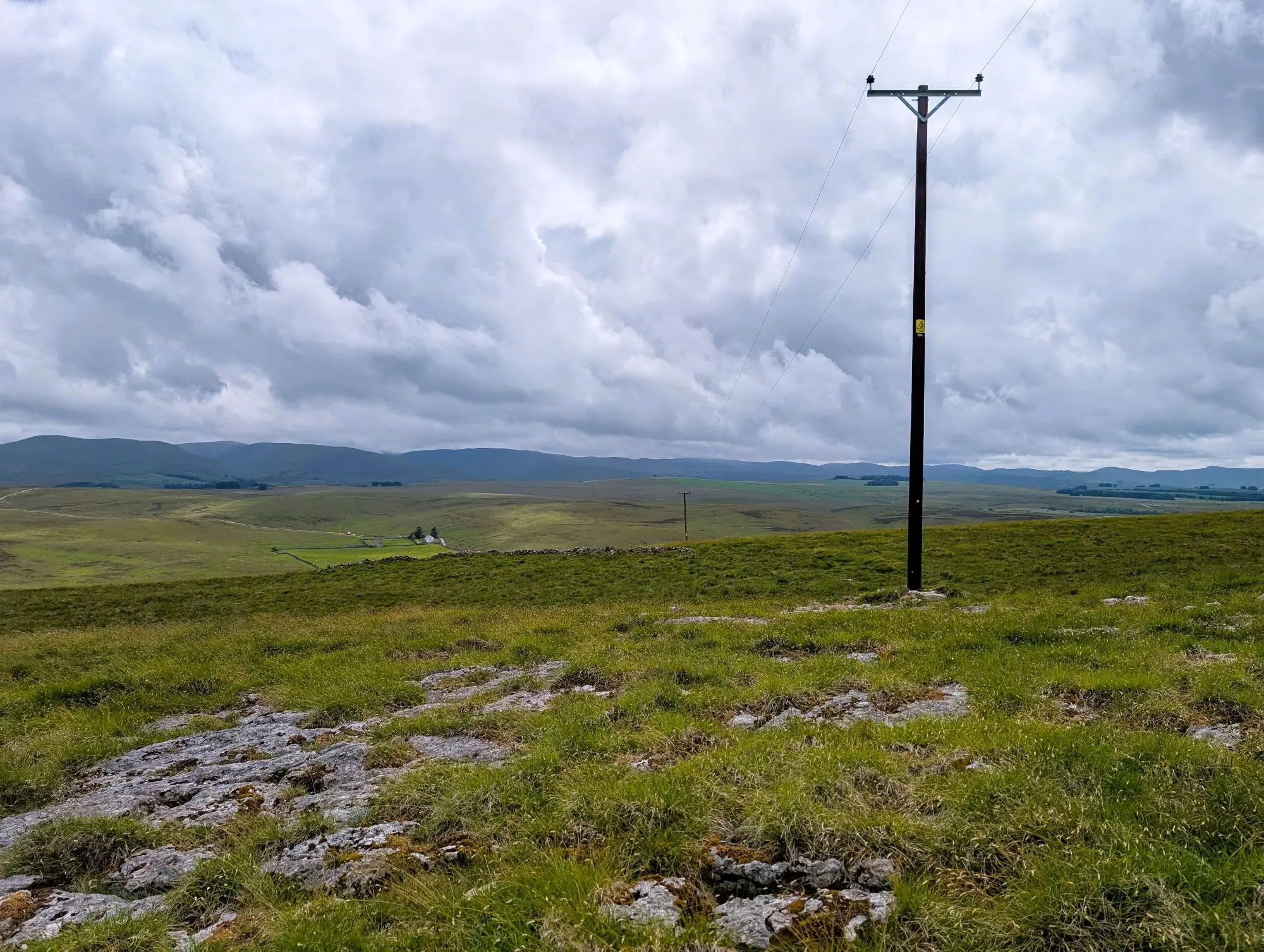
Overhead telephone lines in Grasmere
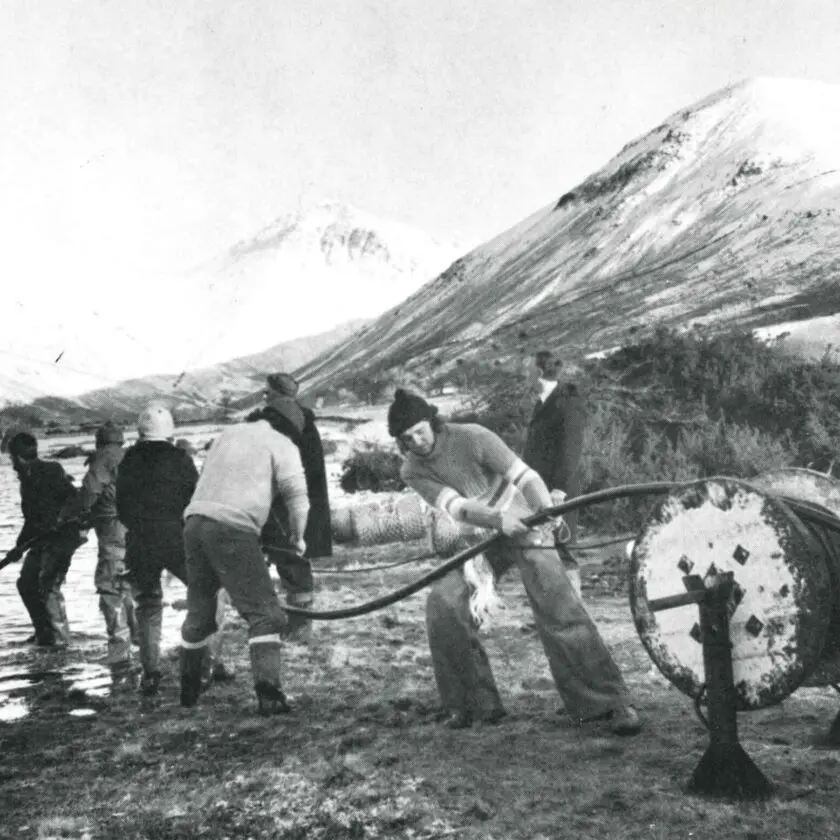
Laying the cable in Wasdale
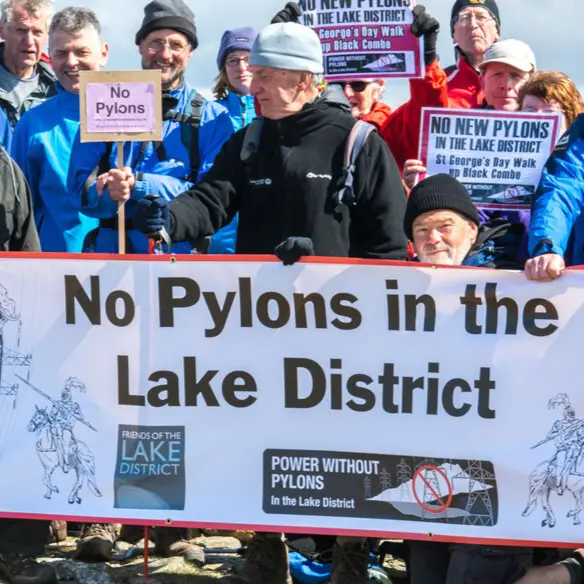
St Georges day walk-no pylons protest at Black Combe Summit
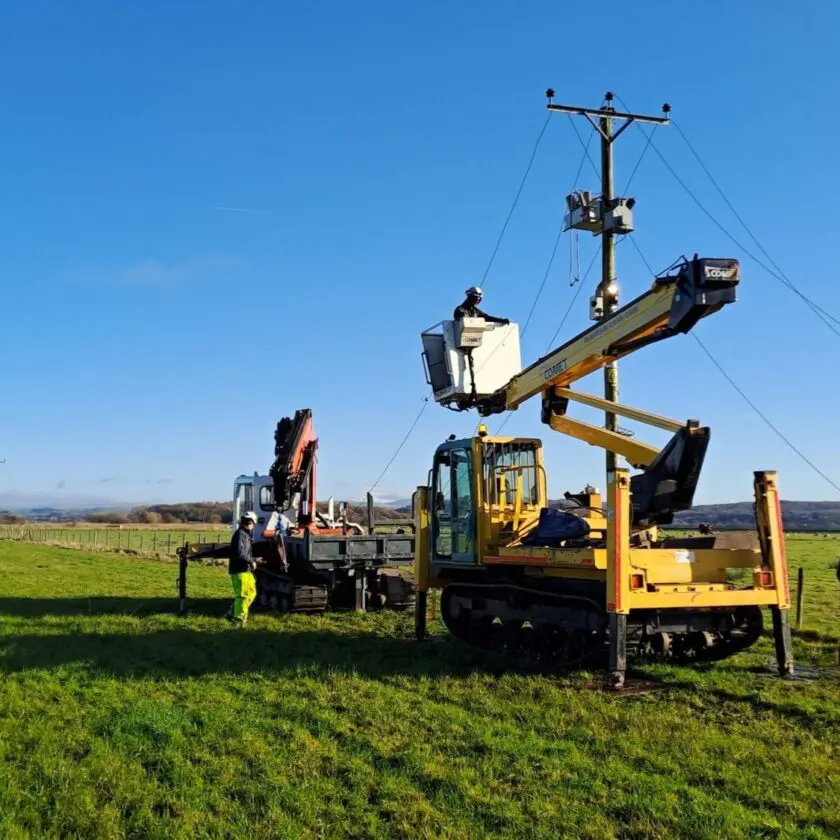
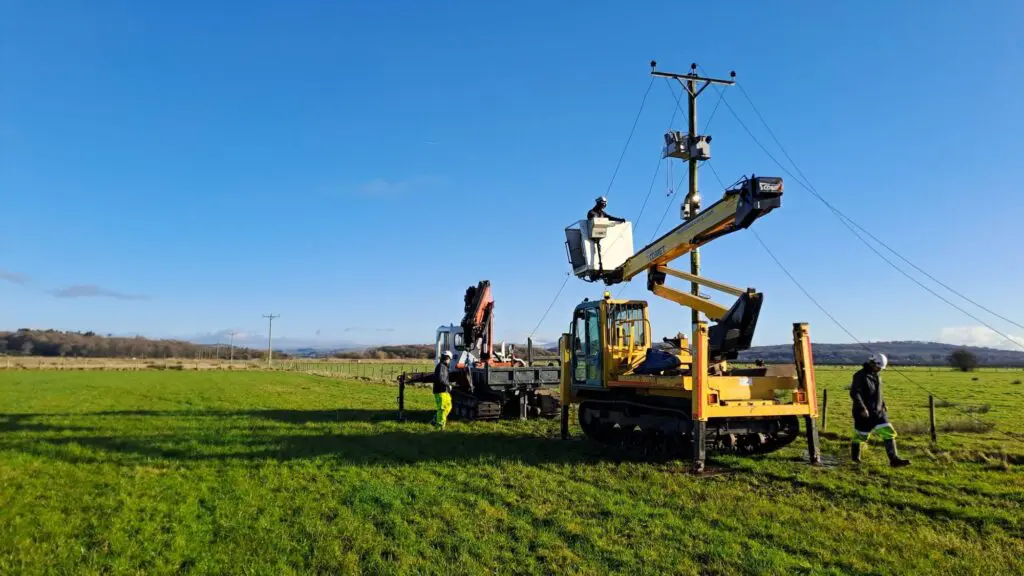
Lines coming doing at Meathop (SPENW)
Landscape news
News and blogs about latest issues affecting Cumbrian landscapes.
Pop up campsite consultation launched
An Article 4 Direction would require camp site operators to submit a planning application where all issues (positive…

Hedgerow webinar: to cut or not to cut?
Watch this brilliant webinar about when (and if) to cut hedgerows this autumn.
Friends of the Lake District project and staff shortlisted for national conservation awards
We’ve been shortlisted for three CPRE Centenary awards.