
News
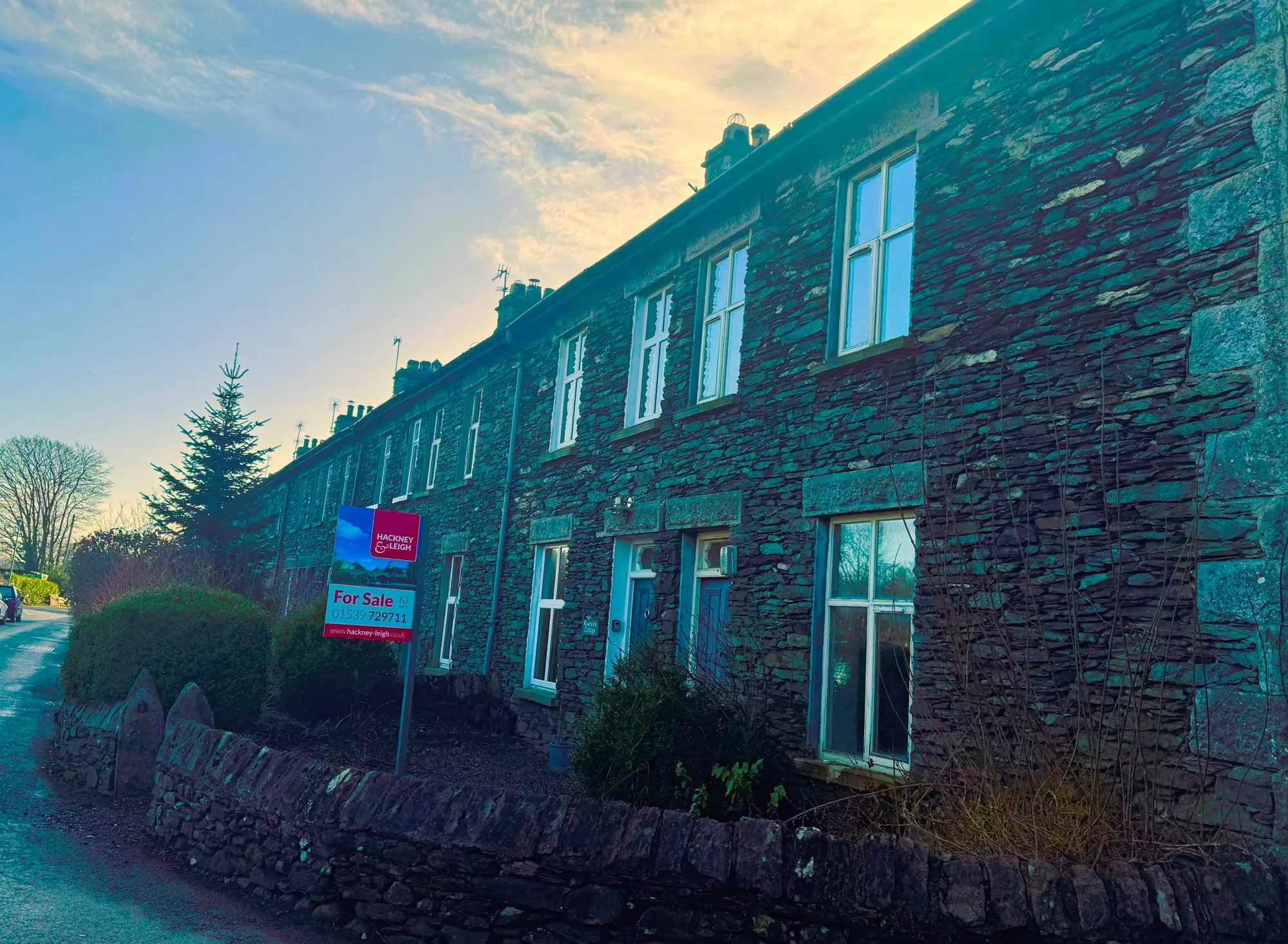
Who gets to call the Lake District Home?
We asked people living in and connected to the Lake District National Park to share their experiences and views on local housing.
Who gets to call the Lake District Home?
The Lake District is celebrated around the world for its extraordinary landscapes, but behind the postcard views are communities facing a growing housing crisis. For many people who live and work here, finding somewhere affordable to call home is becoming increasingly difficult. Rising house prices, second homes and holiday lets have transformed local housing markets, leaving many residents struggling to stay in the places they grew up in, work in, and call home.
When local people cannot afford to live in the places they call home, the consequences extend far beyond housing. Workers may be forced to commute from further afield, young people can struggle to establish independent lives, and communities risk losing the permanent residents who sustain their schools, businesses and social networks. The question is not simply whether people can afford a roof over their heads, but whether the Lake District can remain a place where people can build a future.
To find out, we asked people living in and connected to the Lake District National Park to share their experiences and views on local housing. Fifty people responded to our survey, sharing personal experiences of housing difficulties, their perceptions of the impact of holiday lets and second homes, and their hopes for the future.
Rental Housing
The responses paint a concerning picture of the rental market. Of those who answered the relevant questions, 80% described the availability of rental housing as poor or very poor, while just 2% rated it as good. Affordability was similarly concerning: 68% described the affordability of rental housing as poor or very poor, compared with just 2% who considered it affordable.
Together, these findings point to a double barrier for local residents: even finding a suitable property can be difficult, and when one does become available, the rent may still be beyond reach. A functioning housing market needs to offer both homes that people can access and homes they can realistically afford.
These issues in the rental market have implications for the local workforce. Several respondents described the difficulties of living near where they work, with many people commuting into the National Park from surrounding towns such as Penrith, Cockermouth and Kendal, and some from as far as Whitehaven.
When people cannot afford to live close to their jobs, the effects extend beyond their own finances. Employers may find it harder to recruit and retain staff, while workers face additional travel costs and time away from home. For a National Park that relies on people working in hospitality, farming, conservation and outdoor recreation, access to housing is closely tied to the long-term viability of the local economy.
The affordability gap makes these pressures even harder to overcome. Our Fairer Housing, Stronger Communities report found that the average monthly rental value in the area was £1,224. For people working in sectors with comparatively low average wages this can represent a substantial financial burden. For some workers, renting locally may be unaffordable while saving to buy locally is equally out of reach, leaving them with few realistic options for putting down root
Housing for sale
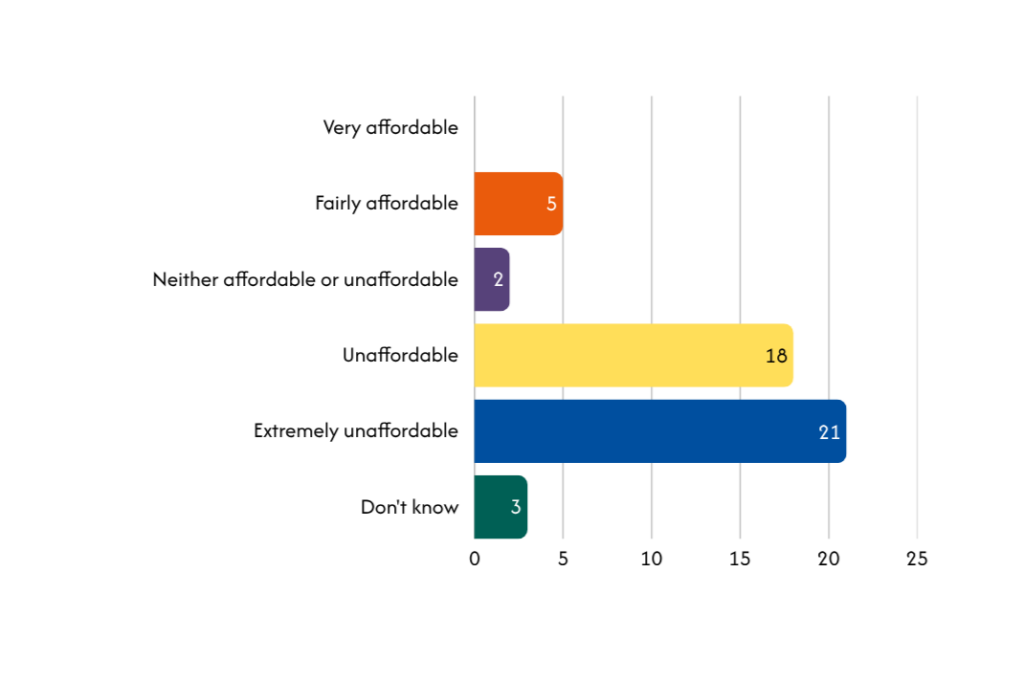
The picture for those hoping to buy a home is little better. Of respondents who answered the relevant questions, 53% described the availability of homes for sale as poor or very poor, while 80% considered buying a home unaffordable or extremely unaffordable.
For younger residents in particular, this can create a difficult cycle. High rents make it harder to save for a deposit, while high property prices mean that even those who manage to save may struggle to buy locally. The traditional route from renting to home ownership becomes increasingly difficult to navigate.
The consequences are felt across generations. When young people cannot afford to establish independent lives in the communities where they grew up, families can become separated, and communities risk losing the people who would otherwise contribute to their future.
The challenge, then, is not simply to increase the number of homes on the market. It is to ensure that local people have a realistic opportunity to access housing that meets their needs and is affordable on local wages.
How would you describe the affordability of houses to buy in the Lake District?
The impact of second homes and short-term holiday lets
When asked about the main challenges facing the local housing market, more than half of respondents identified high house prices, expensive private rents, a lack of long-term rental properties and insufficient affordable homes to buy.
Second homes and short-term holiday lets were also a major concern. Of those who answered the relevant questions, 98% believed that second homes and holiday lets were affecting housing availability and/or affordability in the Lake District.
The perceived impact was particularly pronounced for holiday lets. Some 63% of respondents said second homes affected housing issues “a lot”, compared with 78% who said the same of short-term holiday lets.
These figures suggest that respondents see holiday lets as a particularly significant part of the housing problem. One possible explanation is that properties used for short-term visitor accommodation may no longer be available to people seeking a permanent home or a secure, long-term tenancy. The survey captures residents’ perceptions of these effects, rather than measuring the number of homes lost from the residential market directly but, in these terms, second homes are felt to have been the major cause of lack of access to affordable housing several years ago but the number of holiday lets has grown so much that this now represents the larger contributing factor.
Impact on Communities
Housing pressures are not just an issue of property prices and availability. They affect people’s ability to stay connected to their families, maintain friendships and participate in the communities they call home. For communities already struggling with limited housing availability, the concern is not simply who owns a property, but how that property is used — and whether it contributes to a community where people can live year-round.
Four in five respondents said they, or someone they knew, had experienced difficulties finding suitable housing in the Lake District. For many, the issue is deeply personal — particularly when it affects the prospects of children and younger generations.
One respondent described housing as a “constant source of concern for…their children”. Others offered stark assessments of what they believe is happening to their communities:
- “My village is dying.”
- “It doesn’t feel like a community once locals have left.”
- “Short-term holiday lets are out of control… It’s one of the biggest problems we face, and it’s killing communities.”
When permanent residents leave, the loss can be difficult to quantify. It may mean fewer neighbours, fewer opportunities for young people to remain close to family, and greater challenges for the businesses and services that depend on a resident population.
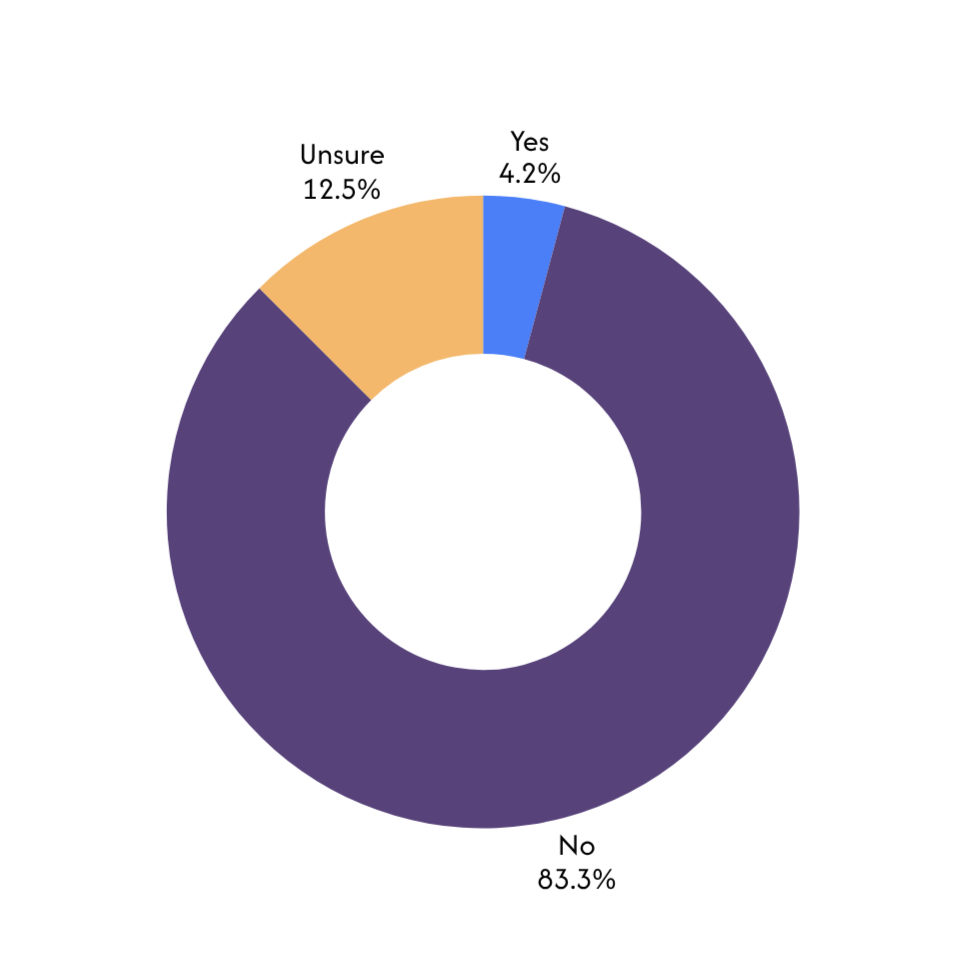
This concern was reflected in another finding: 83% of respondents believed there was not enough housing available for people working in the Lake District.
Do you think there is enough housing available for people who work in the Lake District?
Looking forwards
A staggering 98% said that they were concerned about the impact of housing pressures on the future of local communities, with 61% being very concerned. So what does a viable future for housing in the Lake District look like?
When we asked survey respondents, several recurring themes were clear. Answers included:
• Controlling the number of holiday lets. The council are always building more but there are not enough
• Higher tax or financial discouragements for second homes and holiday lets
• Priority for those working locally and a cap to ensure affordable prices
For residents, then, the housing question is also a question about what kind of National Park the Lake District will be in the future — and who will be able to call it home.
Share this post
Related posts
Updates from our campaigns, our land, and the people taking action for the Lakes.

Pop up campsite consultation launched
An Article 4 Direction would require camp site operators to submit a planning application where all issues (positive…
New recruits and celebrations
This week, Jan and our volunteers return to Mazonwath to plant and take care of some dry stone…
Local plans: help shape future development in Cumbria
Our planning officer explains what local plans are and how you can have your say