
Land Manager’s diary
More research and conservation news
Our land manager rounds up some more news from across the conservation world – the real cost of unhealthy food, the value of trees and some bacteria killing bumblebees.
Research and conservation news
The news last week had a very scary headline: the cost to the taxpayer of the UK’s unhealthy food system has risen to £298 billion a year, up from £268 billion just two years ago, according to updated analysis from the Food, Farming and Countryside Commission. This means that the average UK household spends roughly £3,590 a year, or £69 a week, on the real external costs of the UK’s food system – NHS, social care, and welfare – nearly doubling the amount that the average household spends on food. And that’s not even taking into account the food miles incurred by importing food, often produced to lower standards.
This seems to be madness and it is time that the Government had a more joined up approach. The news is full of the mental and physical health benefits the countryside gives us, just looking at a view is enough to improve health. Our farmers are in dire funding straights and are crying out for more support to produce local healthy food.
Meanwhile farmers face uncertain futures
With the worst cereal and oil seed rape harvest in over 40 years, the lack of public funding for agriculture, rising fuel and feed costs, it is no surprise that more than four in ten British farmers have considered quitting farming as financial pressure, policy uncertainty and increasingly unpredictable weather take their toll, new research suggests.
McCain Foods’ latest Farmdex survey found 42% of farmers had considered leaving the industry because of financial constraints, while 40% questioned whether they would still be farming in ten years’ time. The findings point to mounting pressure across the sector, with 86% saying policy uncertainty is negatively affecting their farm and 87% reporting that rising input costs had significantly affected profitability over the past year. More than a quarter of respondents, 27%, said they had either made a loss or broken even, while a further 29% recorded profits of just 1% to 5%. Just 5% of those surveyed said they were optimistic about the country’s long-term food security, while 87% were pessimistic. At the same time, 91% said greater investment in British agriculture was needed to safeguard future food supplies.
When will the powers that be realise that investing properly in our environment, local food, nature and access will actually save money in the long term?
Value of trees
The droughts this summer have really focused attention on the value of trees not only for shade for livestock, but also for people, and for the positive impacts trees can have in cities and built up areas. Trees are one of the most effective means of protecting against extreme weather. Trees on streets can reduce air temperatures by as much as 4°C, making heatwaves more bearable. One mature tree can also intercept over 15,000 litres of rainwater a year – reducing flood and water run-off risks during storms. They also support biodiversity in nature-depleted urban areas by providing habitats for birds and other species. They have even been shown to reduce noise pollution and improve residents’ mental and physical wellbeing.
So good news last week that Defra announced £53 million to fund urban and rural tree planting in streets, parks and places close to where people live and work, cooling towns and cities and boosting biodiversity. The mass of Government can move quickly when it wants to.
Bumblebees and banknotes
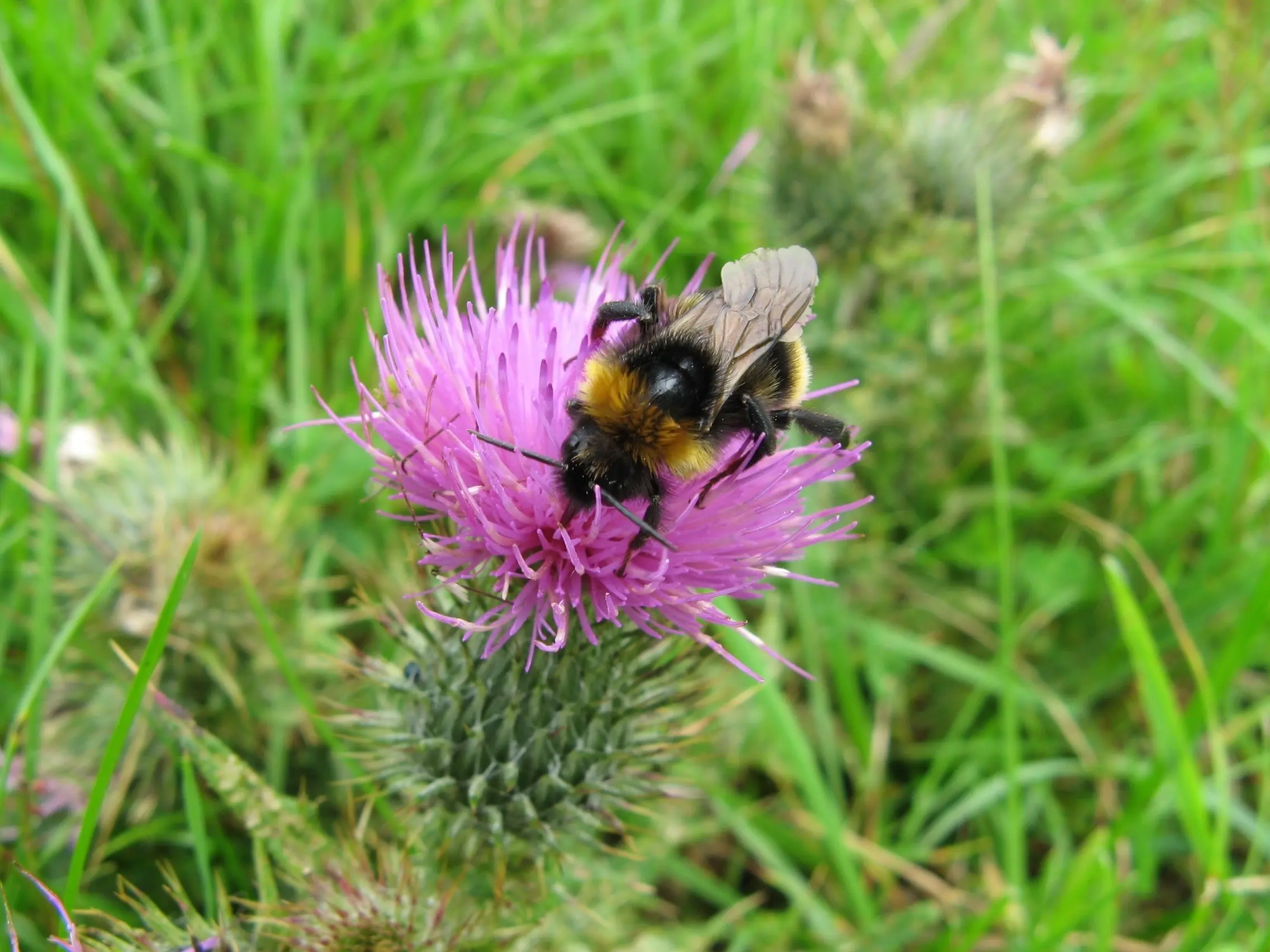
Another nice bit of news – bumblebees. The University of Warwick has found that bumblebees can be used to naturally deliver bacteria-killing viruses—called bacteriophages or phages—to protect fruit crops from disease. Unlike viruses that infect people, animals or plants, phages only infect and kill bacteria, and individual phages are highly specific about which bacteria they attack.
The researchers built a powder filled tube that the bees passed through when they left the hive which coated them in specific phages. They flew out to pollinate blossoms, naturally transferring the protective treatment straight to the flowers where disease enters. The phages specifically target and kill harmful disease-causing bacteria—such as Pseudomonas syringae pv. syringae (which causes cherry canker)—without harming helpful microbes or relying on chemical sprays.
More great news that wildlife will feature on the new Bank of England bank notes: Barn Owls, Buff-tailed Bumblebees, Atlantic Puffins and European Hedgehogs. Nearly 500,000 people responded to the consultation about what wildlife should be on the notes. The creatures beat other top contenders including the Red Fox, Common Kingfisher and Emperor Dragonfly. This will be the first time since 1970 that the notes will no longer feature notable figures from history. The sad thing is all of these species are declining and facing threats one way or the other, lets hope we can continue to enjoy them for many years to come.
Share this post
Related posts
Updates from our campaigns, our land, and the people taking action for the Lakes.
New recruits and celebrations
This week, Jan and our volunteers return to Mazonwath to plant and take care of some dry stone…
Local plans: help shape future development in Cumbria
Our planning officer explains what local plans are and how you can have your say
Unusual sightings in the woods!
A group of Westmorland & Furness council staff joined us to work in the atlantic rainforest at Rusland…